|

|
Chamber News |
|
|
|
Welcome New Members |
|
|
|
|
|
Barrels & Business with Two Regional Partners |
|
|
|
|
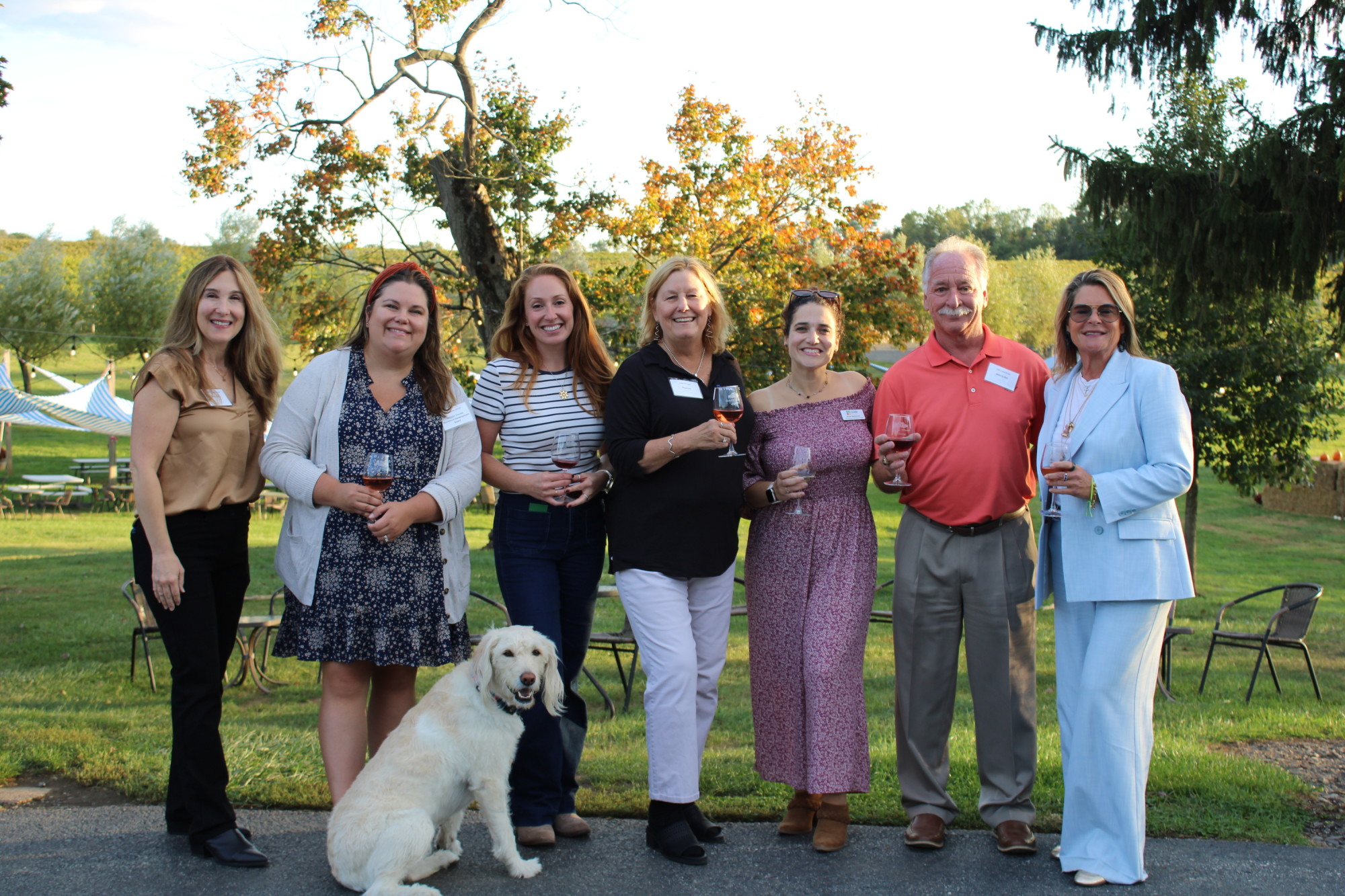
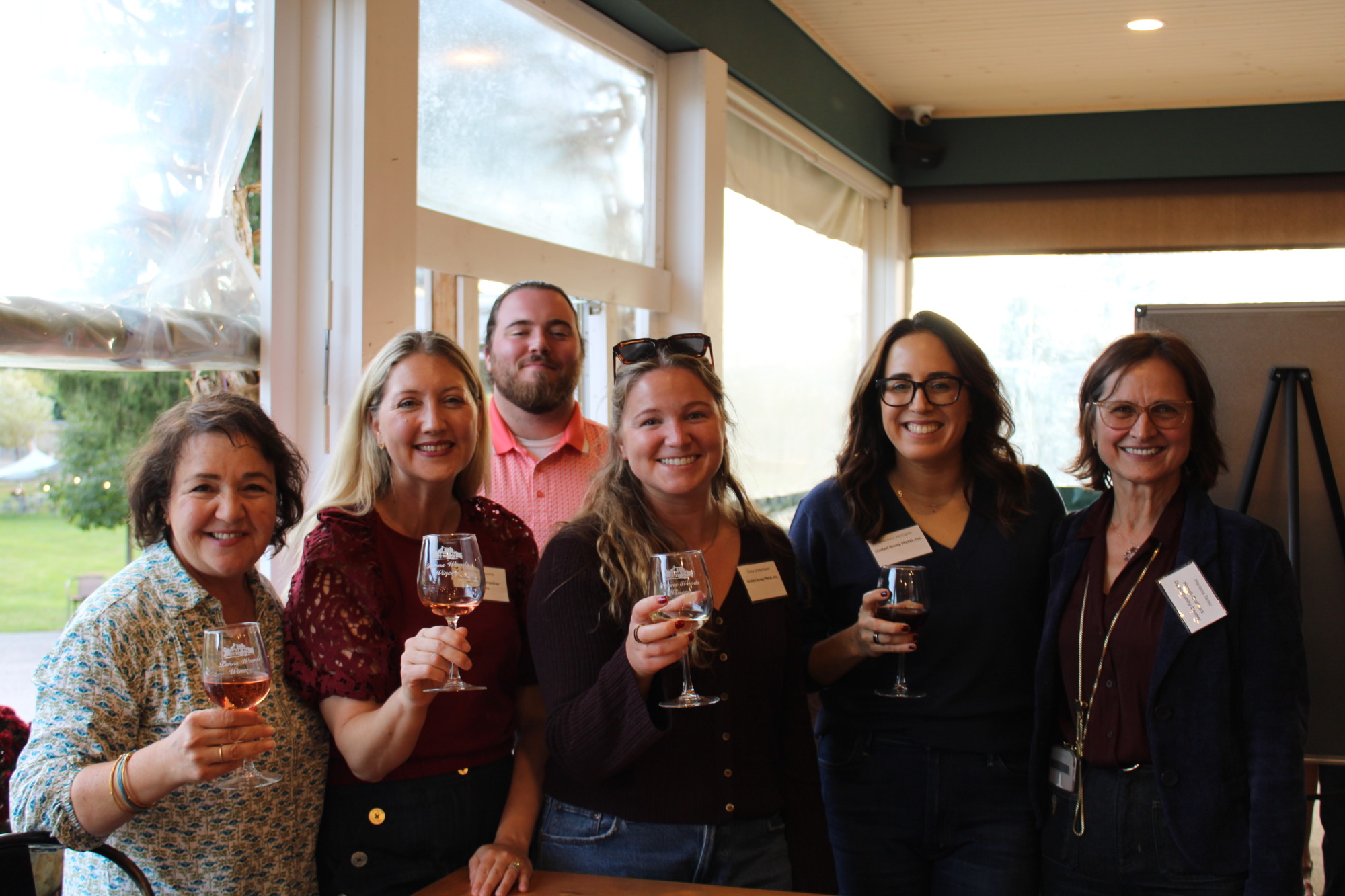
Last night, CCCBI partnered with the Manufacturing Alliance of Chester & Delaware Counties and Women in Manufacturing Eastern PA Chapter to host Barrels & Business!
Women from across the region visited Penns Woods Winery for exclusive use of their tasting room and gorgeous property. Connections were made and re-kindled over wine and delicious catering from ANEU Kitchens thanks to our sponsor for the evening, Thomas.
Thank you to our partners, hosts, sponsors and the 75+ attendees who made this collaboration so successful! |
|

|
|

|
|
|
Legislative Update |
|
|
|
US Government Begins Shutdown |
|
|
|
As of October 1st, the federal government has officially entered a shutdown — the first since 2019. Unfortunately, these shutdowns are disruptive, counterproductive, and rarely deliver the policy wins that either party seeks. Competing short-term funding measures put forward by both parties were rejected in recent days. Past shutdowns (2013, 2018, and 2018–2019) failed to achieve their intended objectives, and this one appears headed down a similar path.
A federal government shutdown halts funding for non-essential government services, causing interruptions to some other public services and resulting in the furlough of federal employees and even military personnel.
Immediate Impacts:
Congressional Outlook:
Scenarios Ahead:
In addition, federal funds comprised about a third of spending within state budgets for the 2024 fiscal year, according to the latest estimates from the National Association of State Budget Officers. Due to this, the federal shutdown will eventually impact some state programs, especially programs that are federally funded but state-administered. Additionally, two states, Pennsylvania and Michigan, have yet to pass their 2025-26 fiscal year budgets. |
|
|
|
From SEPTA to Small Business: The Ripple Effects of Pennsylvania's Budget Stalemate |
|
|
|
For Pennsylvania, the state constitutionally mandated deadline was June 30th, and negotiations are glacial between the Democratic Governor's office, the Democratic-controlled House, which has a one-vote majority, and the Republican-controlled Senate. The budget negotiations remain at a gridlock primarily over the spending amount of the state budget. Shapiro's original proposal called for a $51.5 billion expenditure, but. Senate Republicans, such as Senator Dawn Keefer, have stated their desire for a budget no larger than last year's $ 47.6 billion spending plan, aiming to maintain reserves for the state's sustainability. House Democrats advanced a measure for $49.9 billion lower than Shapiro’s original proposal.
Republicans have emphasized their priorities as reforming Medicaid and SNAP programs; however, a divide remains when determining how to regulate and tax skill games for new revenue. These disagreements are slowing budget completion. Democrats have also voiced their priorities, requesting new funding for education. Simultaneously requesting more investments in housing, Medicaid, and health and human services. Democrats also aim for policy achievements, such as increasing the minimum wage and reforming cyber charter schools.
Although the initial effects of the budget impasse were minor, the deadlock is now starting to impact Pennsylvania communities. Counties depend on state funding for human services and other programs, and some are now borrowing money to keep these programs going, incurring interest costs that are unlikely to be reimbursed. These services include child welfare, senior care, public health, and addiction treatment programs. Nonprofits, which often rely on state contracts, are now receiving late payments, forcing them to cut staff, shut down programs, or sometimes borrow funds to stay operational.
School districts are also feeling the impact regarding state aid for items such as textbook purchases, after-school programs, and operational funding shortages. Governor Josh Shapiro aimed to alleviate the most significant obstacle by creating a short-term, two-year funding plan for SEPTA and the Pittsburgh Regional Transit. Shapiro reluctantly diverted infrastructure capital funds to cover operating expenses, preventing immediate service cuts and fare hikes. However, struggles persist for transit systems without dedicated recurring revenue, and this action prevents a permanent funding solution from being implemented until 2027. While SEPTA and Pittsburgh Regional Rail are temporarily funded, smaller rural transit agencies may need to increase fares and potentially cut shared ride services, which would reduce transportation options for seniors and individuals with disabilities in the commonwealth.
For PA employers, the consequences of the stalled negotiations are potentially serious. Small companies with contracts from counties, schools, and nonprofits are among the first to feel the strain when delayed or reduced payments impact their cash flow. Vendors providing food, supplies, and transportation to public institutions often fail to receive payment on time, and local service providers face declining demand as schools and counties reduce their budgets. Rural businesses experiencing reductions in transit limit senior and disability travel opportunities, reducing access to local shops, services, and overall decreasing customer traffic.
Uncertainty in education funding is also starting to affect businesses, as employers look to attract and keep employees who value strong public schools for their families.
The budget impasse causes uncertainty for both small and large businesses. Deadlock makes it difficult to predict upcoming regulatory and tax policies. Entrepreneurs are experiencing financial pressures, and state-funded organizations are starting to delay payments. Meanwhile, employers face potential risks, such as an unreliable workforce, uncertain education investments, and potential policy changes. The impasse could also harm the Commonwealth's competitive advantage, with companies planning to expand now hesitant to do so in PA if the budget impasse continues to signal long-term financial and political risks, especially compared to the 48 states that consistently pass budgets on time.
The current state budget impasse acts as an example of the split legislature within the Commonwealth, with Pennsylvania one of one only 4 states that have similar divided governments. Last year, Senate Republicans agreed to a higher spending number proposed by House Democrats in exchange for a new school voucher program; however, Shapiro vetoed the provision as pressure from the House mounted, leading to a lack of trust from Senate Republicans. Both House Democrats and Senate Republicans feel wary of unmet promises without guarantees.
Both the House and Senate are returning to Harrisburg the week of October 6th, but it seems the House will not consider much, if any, significant budget-related items. The Senate Appropriations Committee is meeting to consider SB1040, legislation that will waive interest on loans connected to the budget impasse, but it appears mainly to be holding internal Caucus meetings with little other official activity. |
|
|
|
Upcoming Events |
|
|


|
Member Events |
|
|






|
We’d love to hear from and highlight your business! We are seeking member spotlight stories to include in our weekly newsletter! Email your news to abby@chescochamber.org |
|

|


