|

|
Chamber News |
|
|
|
Young Professionals Partner with GWCCC NextGen Committee for Field Day For a Cause |
|
|
|
|
|
|
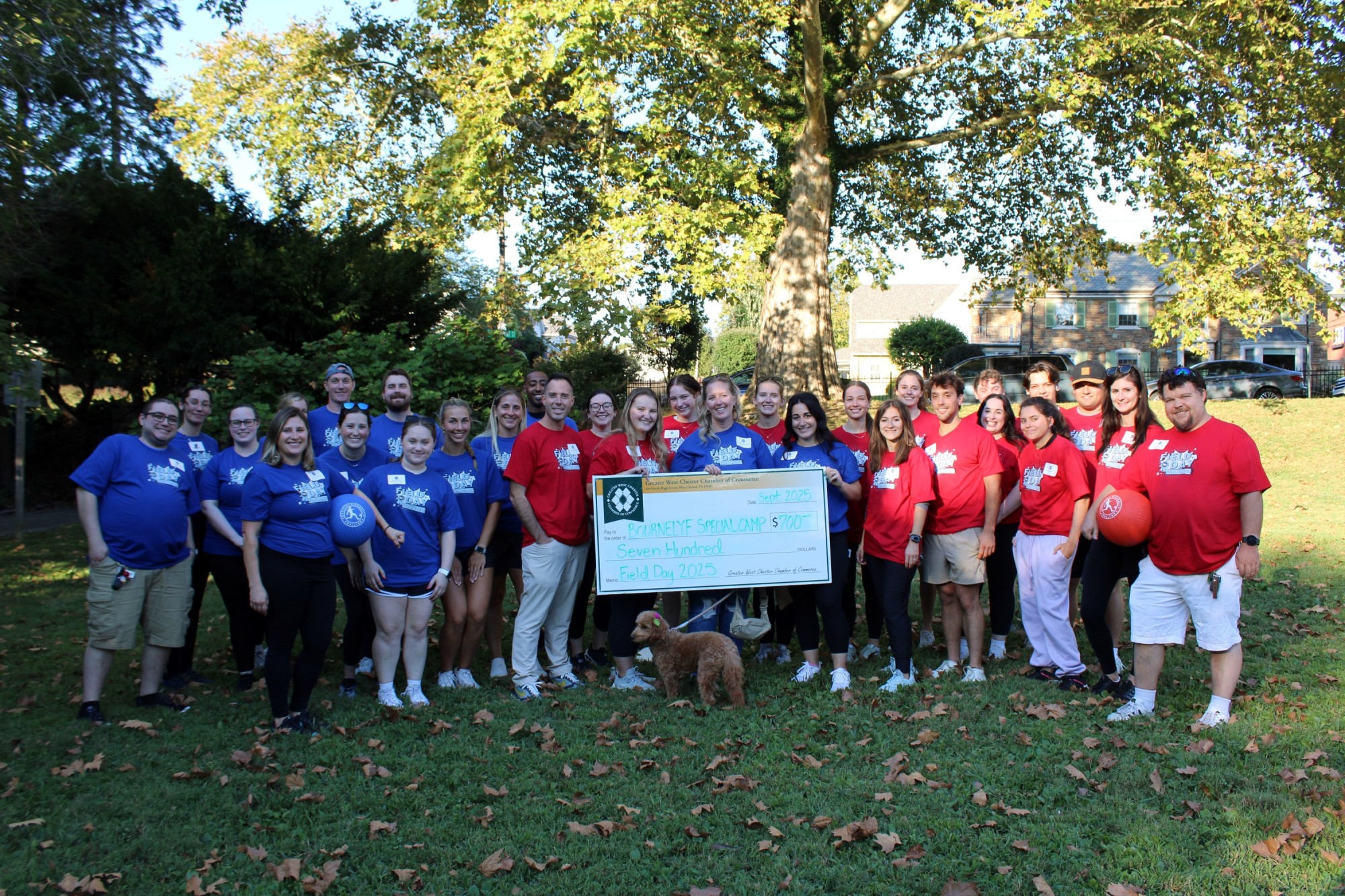
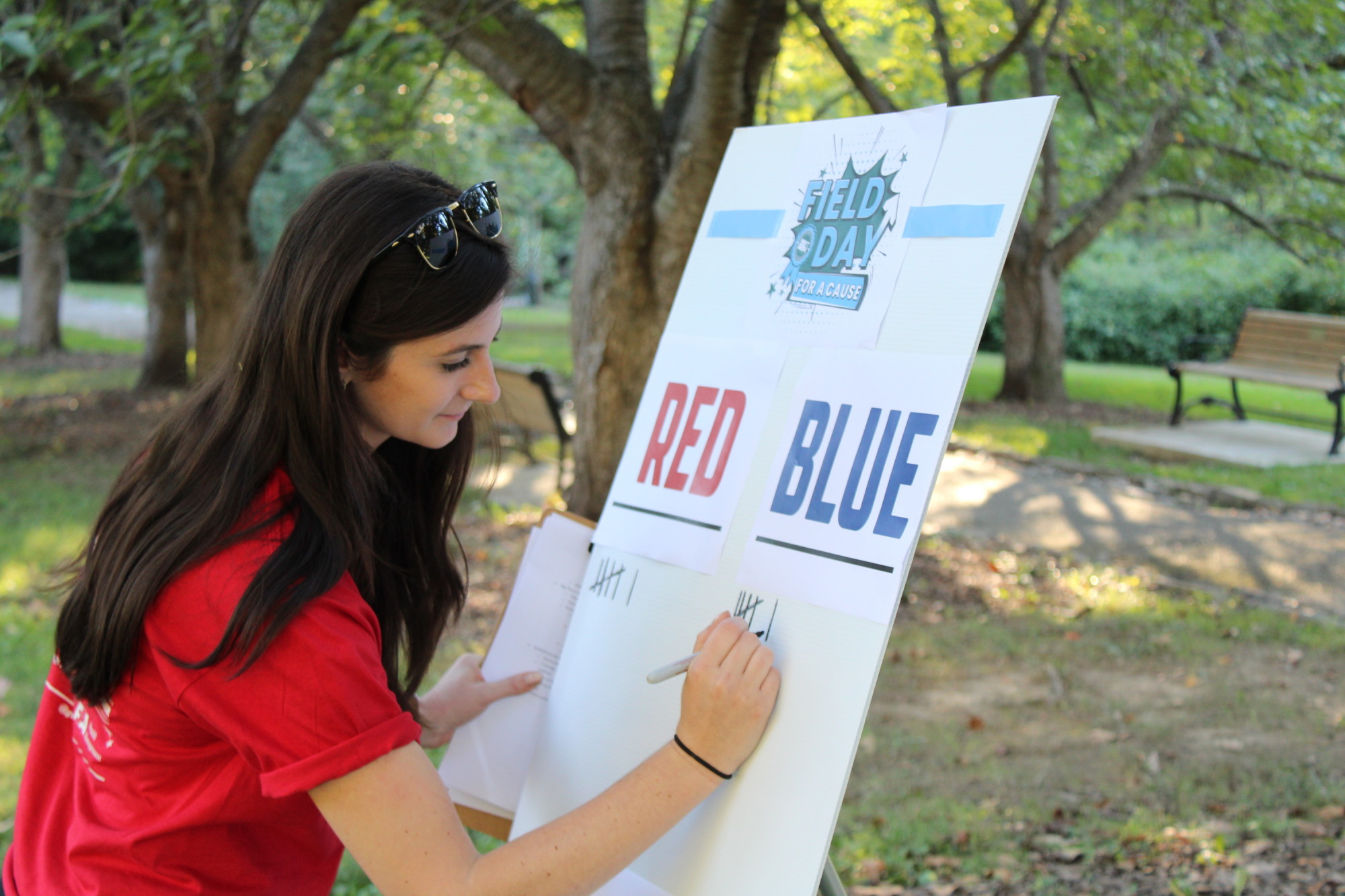
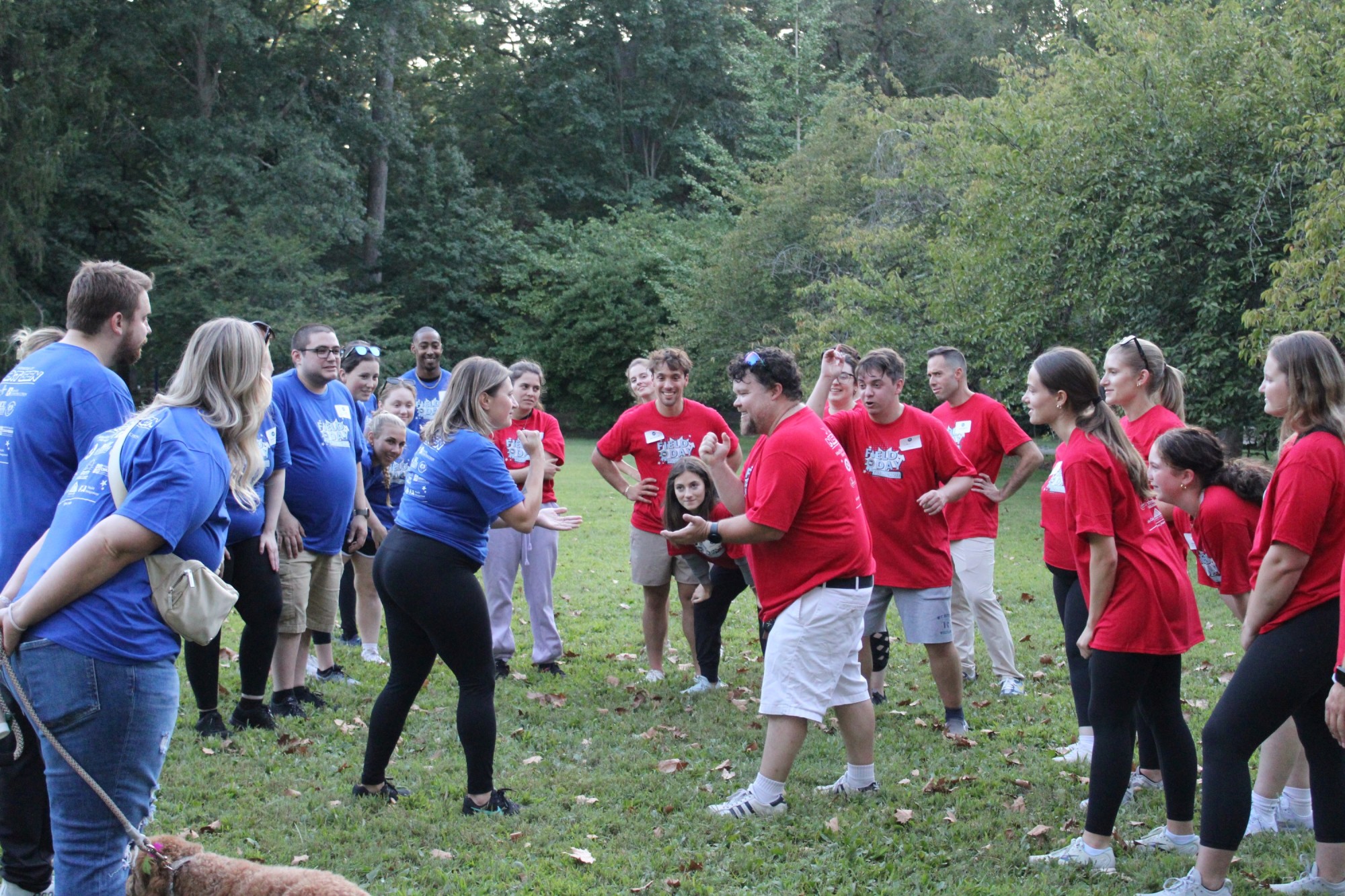
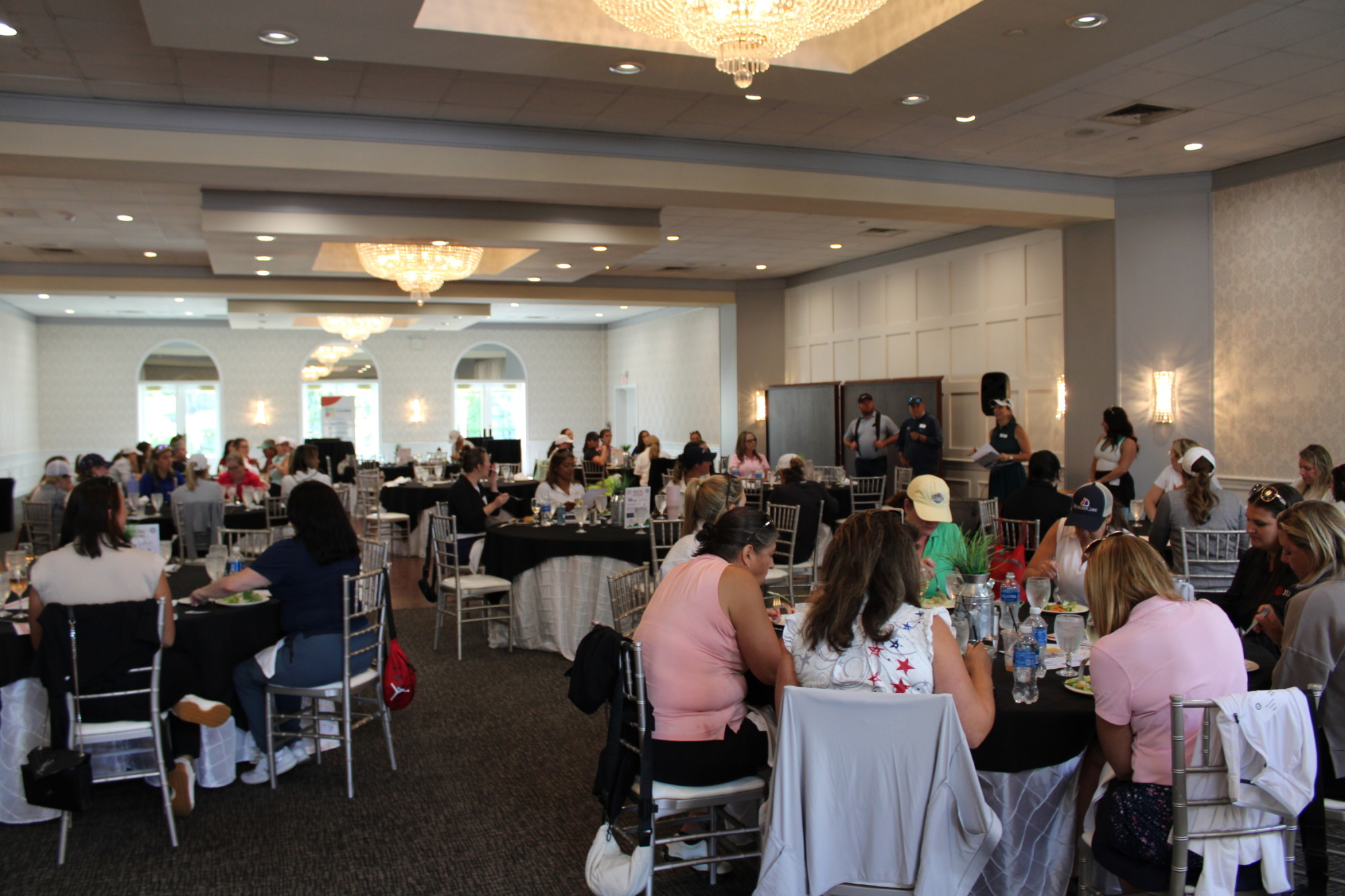
Last Thursday, CCCBI's Young Professionals partnered with the Greater West Chester Chamber of Commerce's NextGen Committee and Exton Region Chamber for an evening of fun at Field Day for a Cause!
Thirty participants came together for cornhole, egg races, kickball and camaraderie to support CCCBI Member, Bournelyf Special Camp, a local nonprofit where individuals with disabilities thrive through connection, nature and year-round adventure. |
|
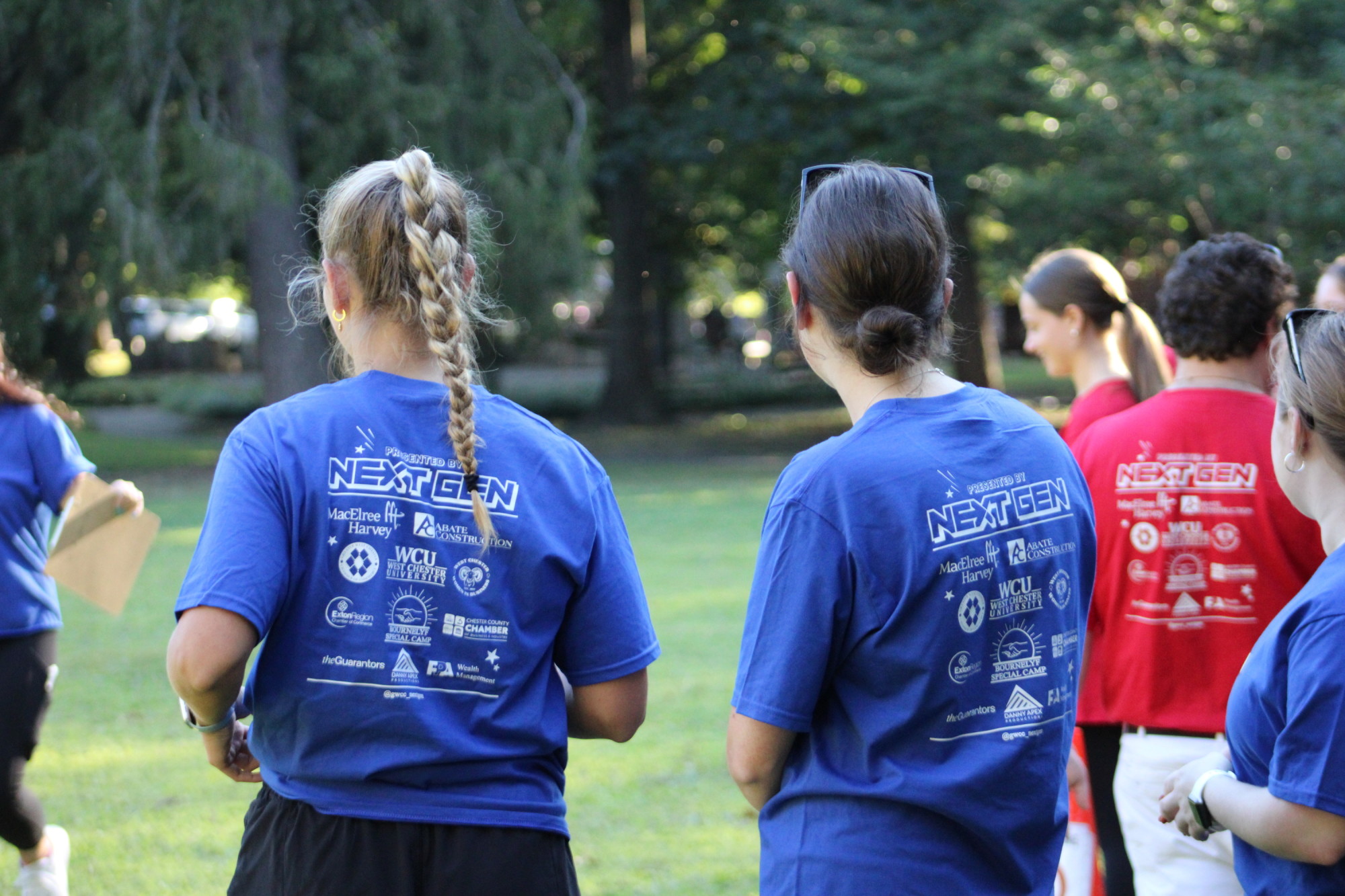
This event would not have been possible without the NextGen Committee, all of the wonderful attendees and the generous sponsors: MacElree Harvey, Ltd., Abate Construction Company, West Chester University of Pennsylvania, Women in Business West Chester University, The Guarantors, Danny Apex Productions & FPA Wealth Management! |
|
|
|
|
|
Youth Leadership Program Spends 1st Session at Wawa |
|
|
|
|

|
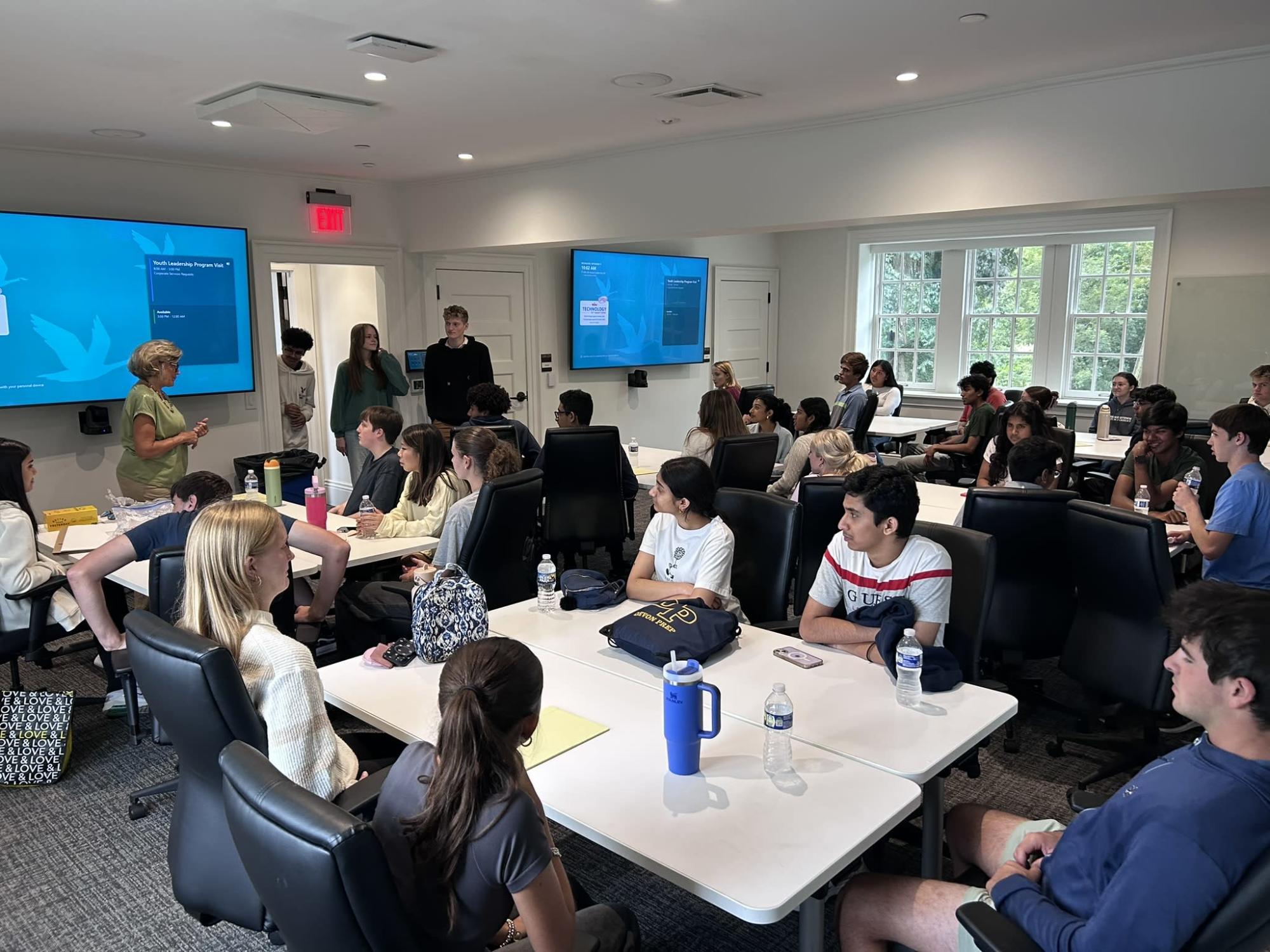
On Wednesday, the Chester County Chamber Foundation's Youth Leadership Program spent their first program day at Wawa Headquarters.
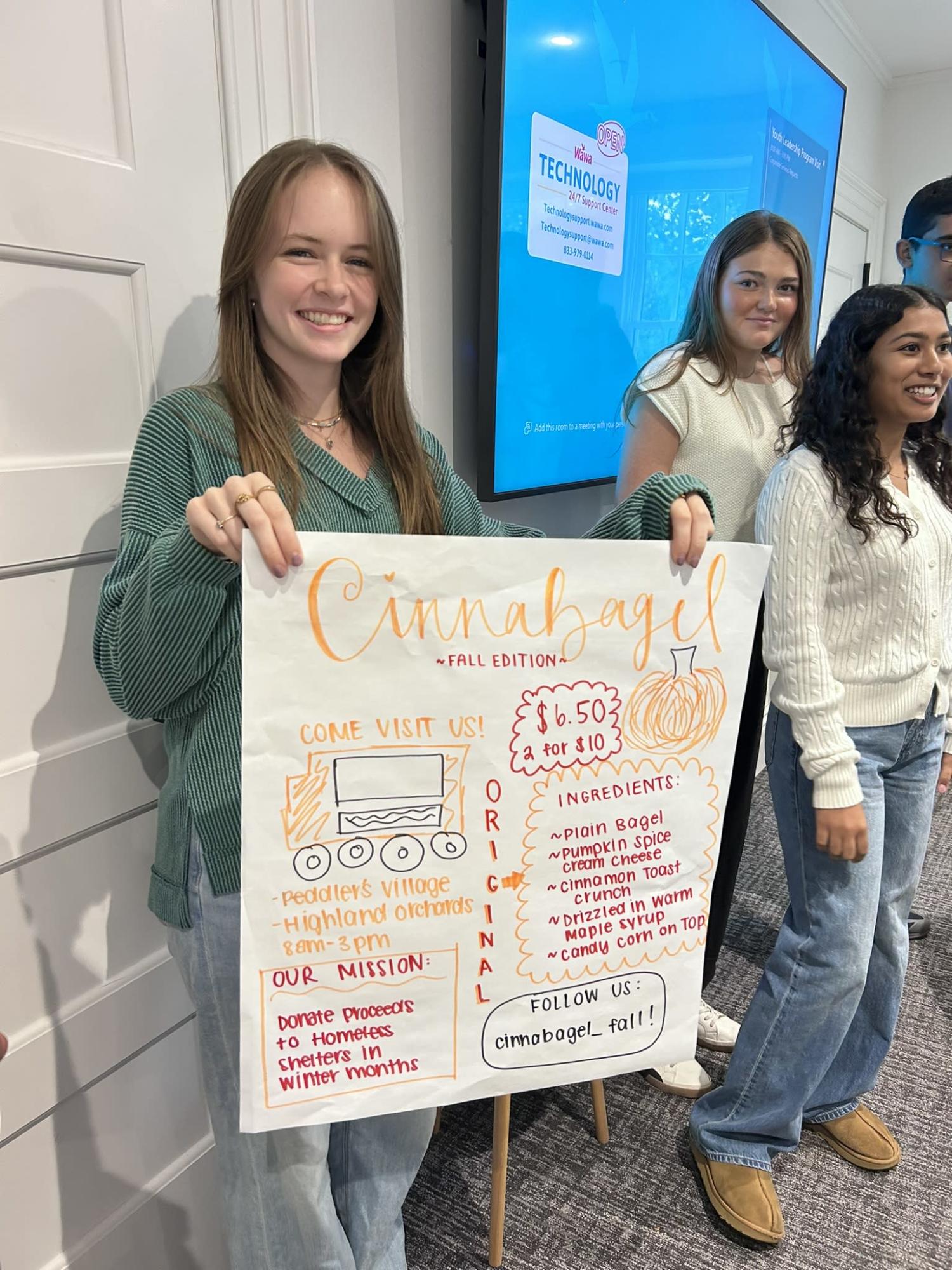
Students spent the morning working on ice breakers and team building exercises as they got to know one another. This first day always uses The Bagel Project as a true test for student leadership, creativity and innovation. These 10th, 11th and 12th graders from 17 different schools had to create a product, business model and present to investors to win special prizes.
In the afternoon, our YLP students got a behind the scenes look at Wawa's facility, offices and campus to learn about the numerous opportunities and career paths they might not have associated with "Wawa" before.
Thank you to our hosts for making YLP's first day a success!
Did you know that you can support YLP and provide scholarship opportunities for our students? Donate today to make a difference for the next generation Chester County's leaders! |
|

|

|
|
|
|
Maximizing Memberships |
|
|
|
On Wednesday morning, we welcomed Members to dive deep into the best-practices that can help them connect and thrive in our business community.
From advocacy and social media to events and sponsorships to special discounts and job postings, our attendees left this session with new knowledge and the confidence to get more involved with our Chamber. Thank you to all who joined us for this informative session! |
|

|

|
|
|
Legislative Update |
|
|
|
Pennsylvania Jobs Date Revised Downward |
|
|
|
Pennsylvania’s job reports data have since been revised, depicting a less-than-ideal picture than previous estimates. New figures from the U.S. Bureau of Labor Statistics Quarterly Census of Employment and Wages (QCEW) are significantly lower than earlier predictions. Originally, Pennsylvania was set for record job growth; however, the state only added 33,000 jobs as compared to the originally projected 70,000 jobs.
The revisions project weaknesses in several industries. Professional services lost 4,600 positions, previously projected to add 2,800 jobs. Retail cut 5,700 jobs but was previously projected to have only lost 600. Nonprofits have gained 500 jobs, but in stark contrast, were initially projected to gain 7,600 jobs. Healthcare jobs were reduced by 6,300 jobs from the projected number, and 5,400 jobs from the projected number, resulting in a scaled-back social assistance program. These job revisions reflect national trends, with new federal data showing that nearly one million fewer jobs were created in 2024 than initially reported.
Why are these numbers so significantly different from the original projections? For one, the Bureau of Labor Statistics Employment survey is voluntary; employers experiencing growth are more likely to respond than struggling businesses. However, the Quarterly Census of Employment and Wages (QCEW) includes all employers covered under unemployment insurance, which creates better, more accurate data.
A legislative study contrasted areas of growth in the Commonwealth’s economy. Warehouse development has increased by 35%, resulting in the construction of 246 new warehouses, likely due to an increase in e-commerce. PA is a transportation hub, counties along interstate 78, 80, and 81 in Cumberland, Franklin, and Berks experiencing the highest increases, supporting 107,000 direct jobs and 21,00 linked to supply chains. While there is an increase in jobs, these warehouses raise concerns about traffic congestion, loss of agricultural land, and zoning issues.
For businesses within the Commonwealth, these revisions necessitate a strategic shift. Companies should not rely on headlines to drive expansions or investments, as revised data projects slower, uneven growth. Businesses in retail, healthcare, human services, and nonprofits are faced with fewer workers, which makes it challenging to sustain growth. However, warehouse expansion demonstrates the growing demand for the trucking and supply chain industries, which could lead to higher growth opportunities.
These revisions also demonstrate how Pennsylvania’s economy is closely tied to federal policies, particularly in terms of aid programs, tax incentives, and interest rates, which have a direct impact on hiring and investment. It is crucial that PA enacts policies that increase entrepreneurship, expand the workforce, and attract investment, so that PA can remain a competitive workforce. This will ensure that, regardless of federal uncertainty, PA can stay strong in the job sector.
The revised job data in Pennsylvania demonstrates that, while PA continues to expand, it is at a much slower rate than previously anticipated. Businesses must look at internal growth and strategy before moving forward with expansion. It is vital to look at specific sectors and continue to engage with policy makers to ensure successful business expansion and create a strong environment for long-term business success and place the Commonwealth’s economy in a strong position for long-term success. |
|
|
|
Member Spotlight |
|
|
|
The Right Touch Engravers - Celebrating 10 Years |
|
|
|
The Right Touch Engravers is a long-time CCCBI Member and a pillar of the community.
For years, they have been the privileged partners of their clients’ most memorable life events. No matter what you want to celebrate, their custom engraving services will make your gift unique.
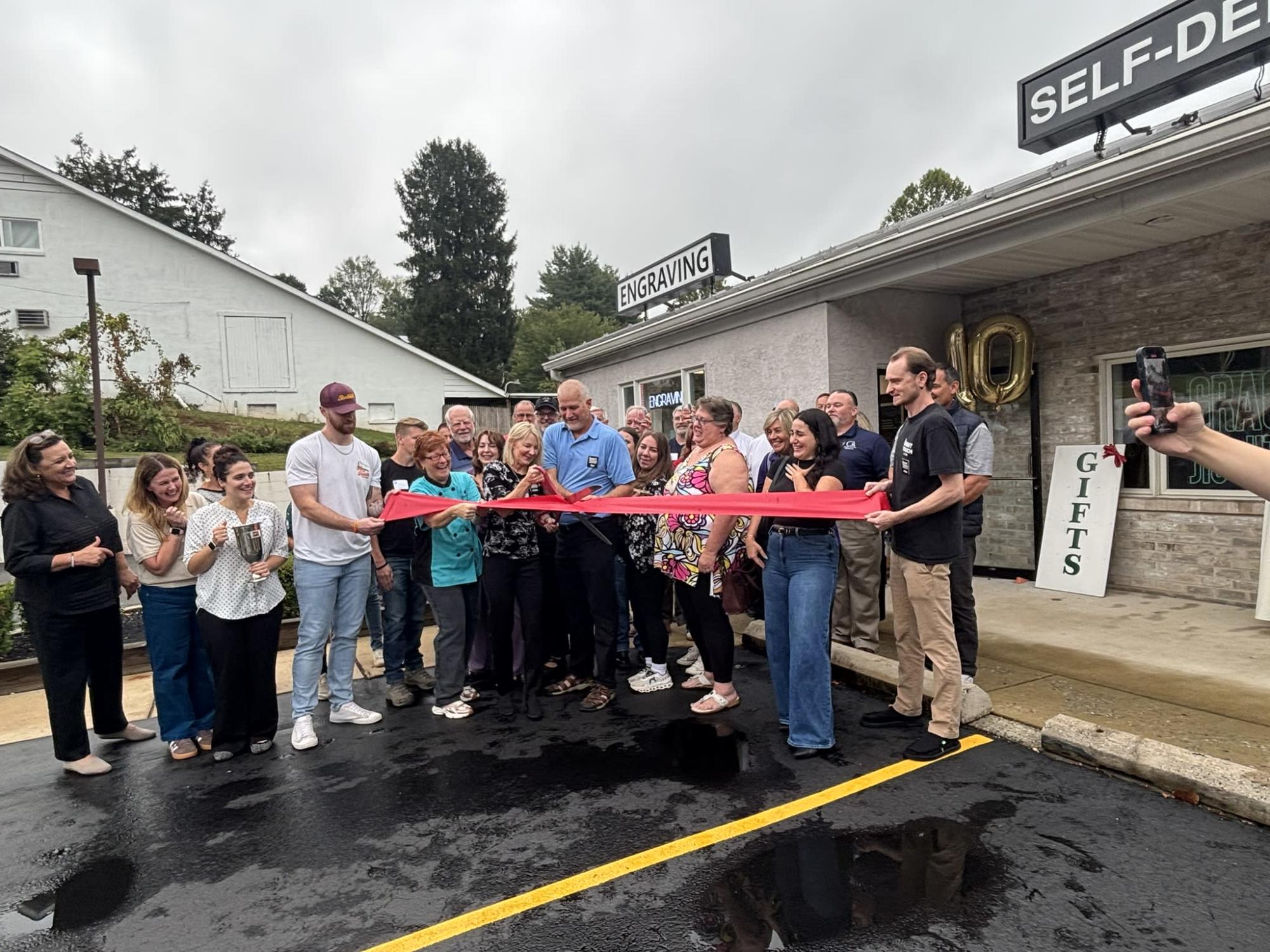
On Wednesday evening, CCCBI had the privilege of celebrating The Right Touch Engravers' 10th Anniversary alongside Greater West Chester Chamber of Commerce, Southern Chester County Chamber of Commerce and several friends in the community.
From jewelry, trophies and plaques, to recognition awards and promotional products, The Right Touch Engravers are the local leaders with decades of experience in personalization technologies and the creator of masterpieces.
They can engrave, screenprint, or embroider for any celebration and convert your ideas and wishes into beautiful, unique pieces that everyone will love.
From CCCBI to The Right Touch Engravers team, congratulations! |


|
|
|
Upcoming Events |
|
|



|
Member Events |
|
|
|
We’d love to hear from and highlight your business! We are seeking member spotlight stories to include in our weekly newsletter! Email your news to abby@chescochamber.org |
|

|


