|

|
Chamber News |
|
|
|
Welcome New Members |
|
|
|
|
|
Business After Hours with The Camphill School |
|
|
|
|
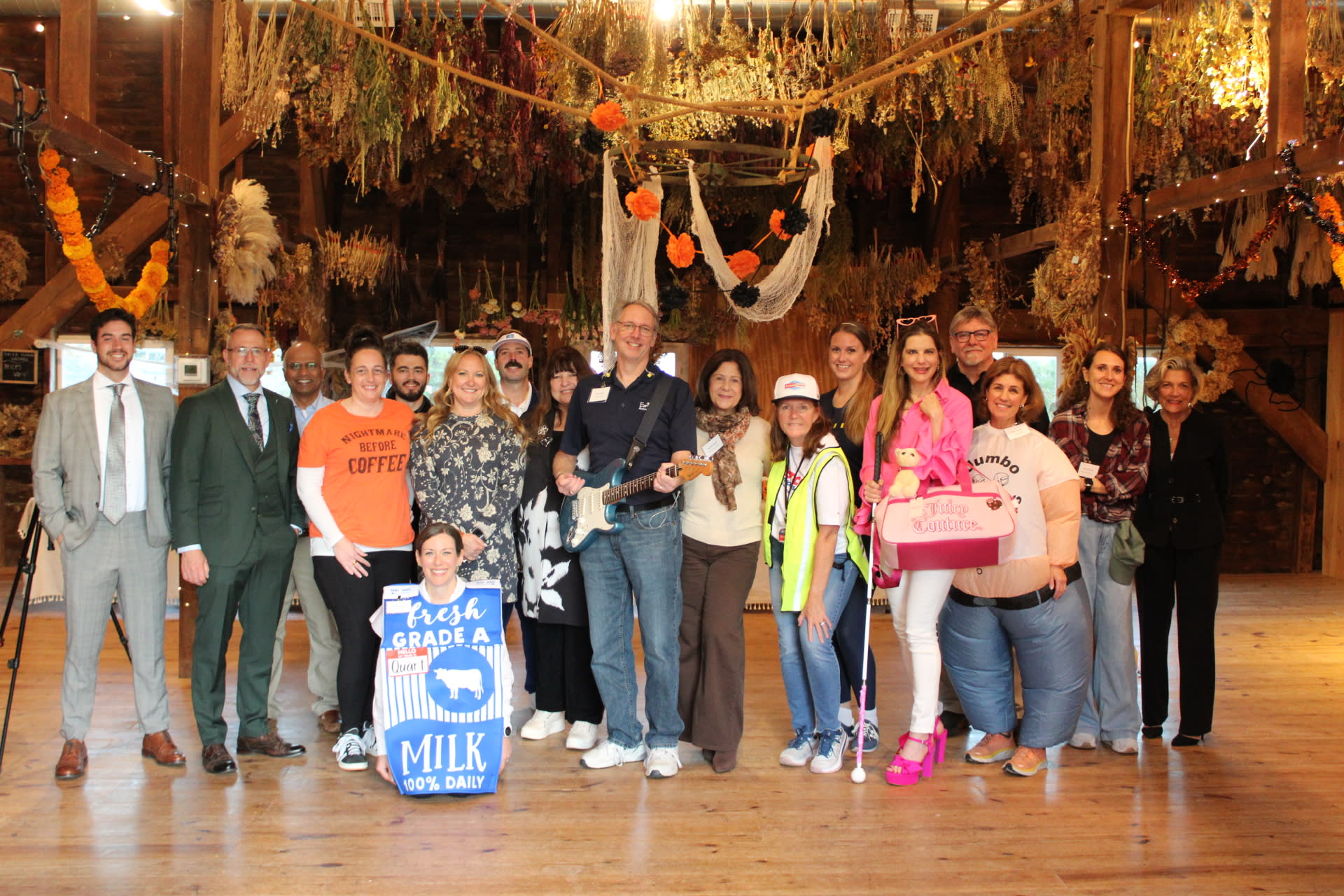
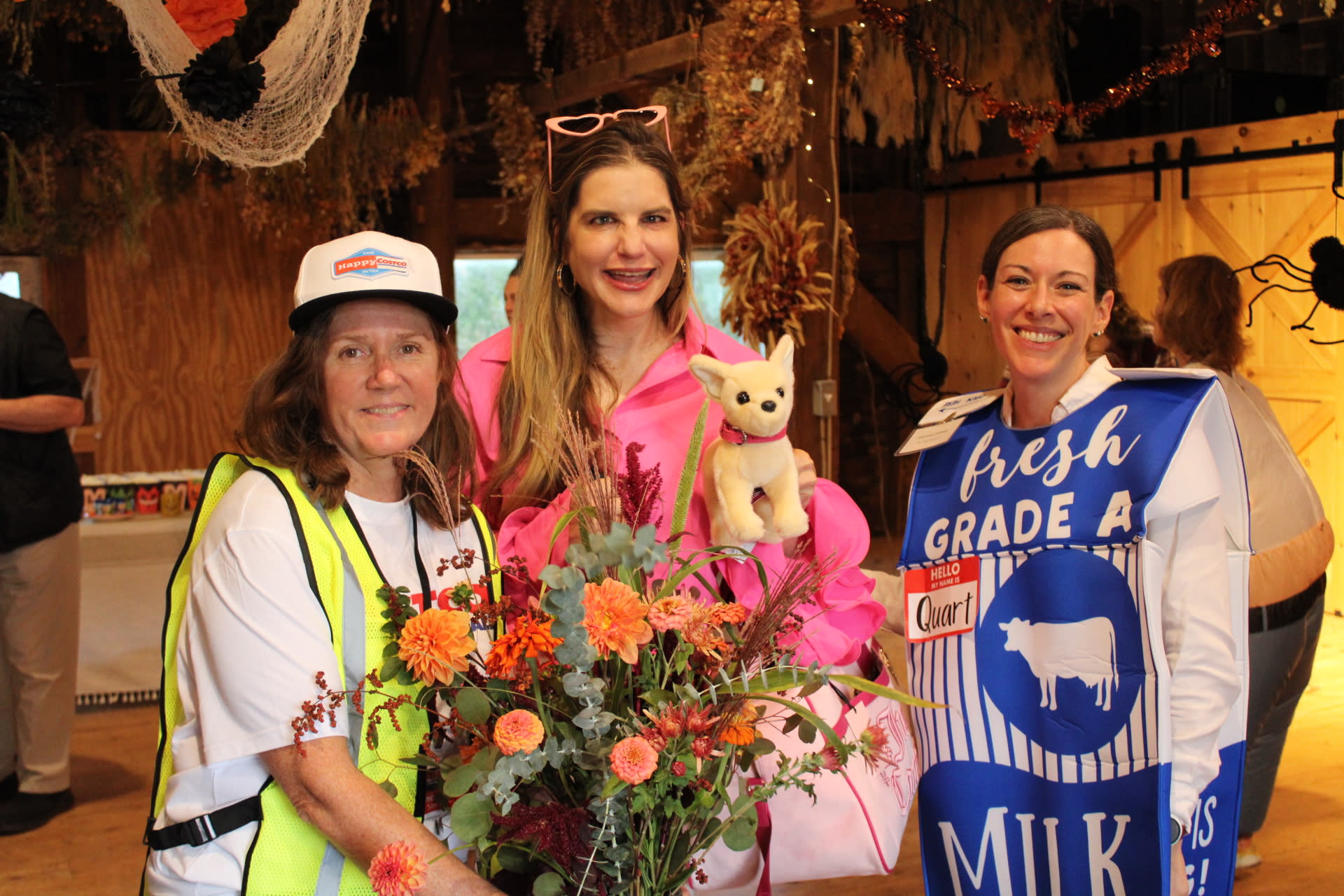
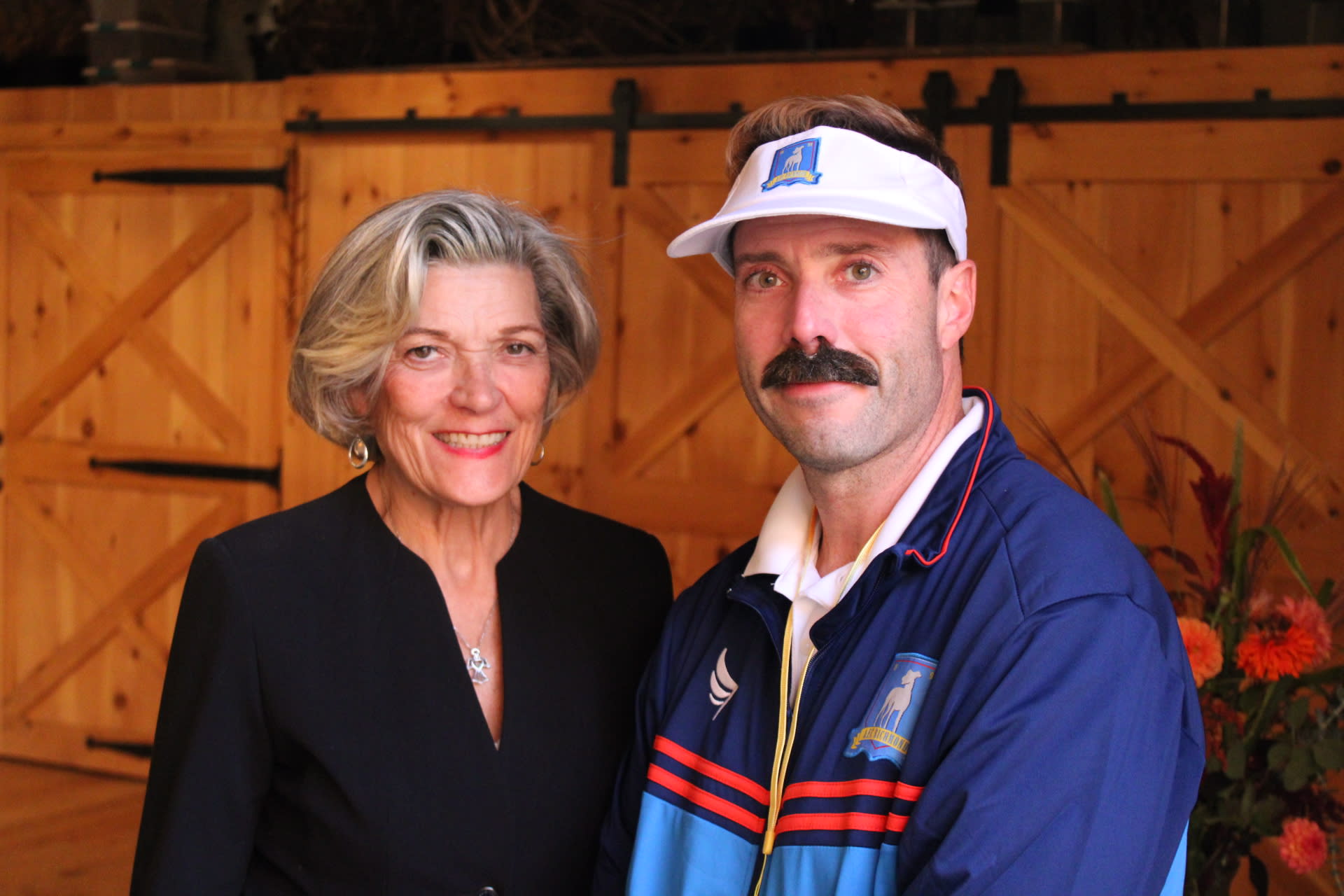
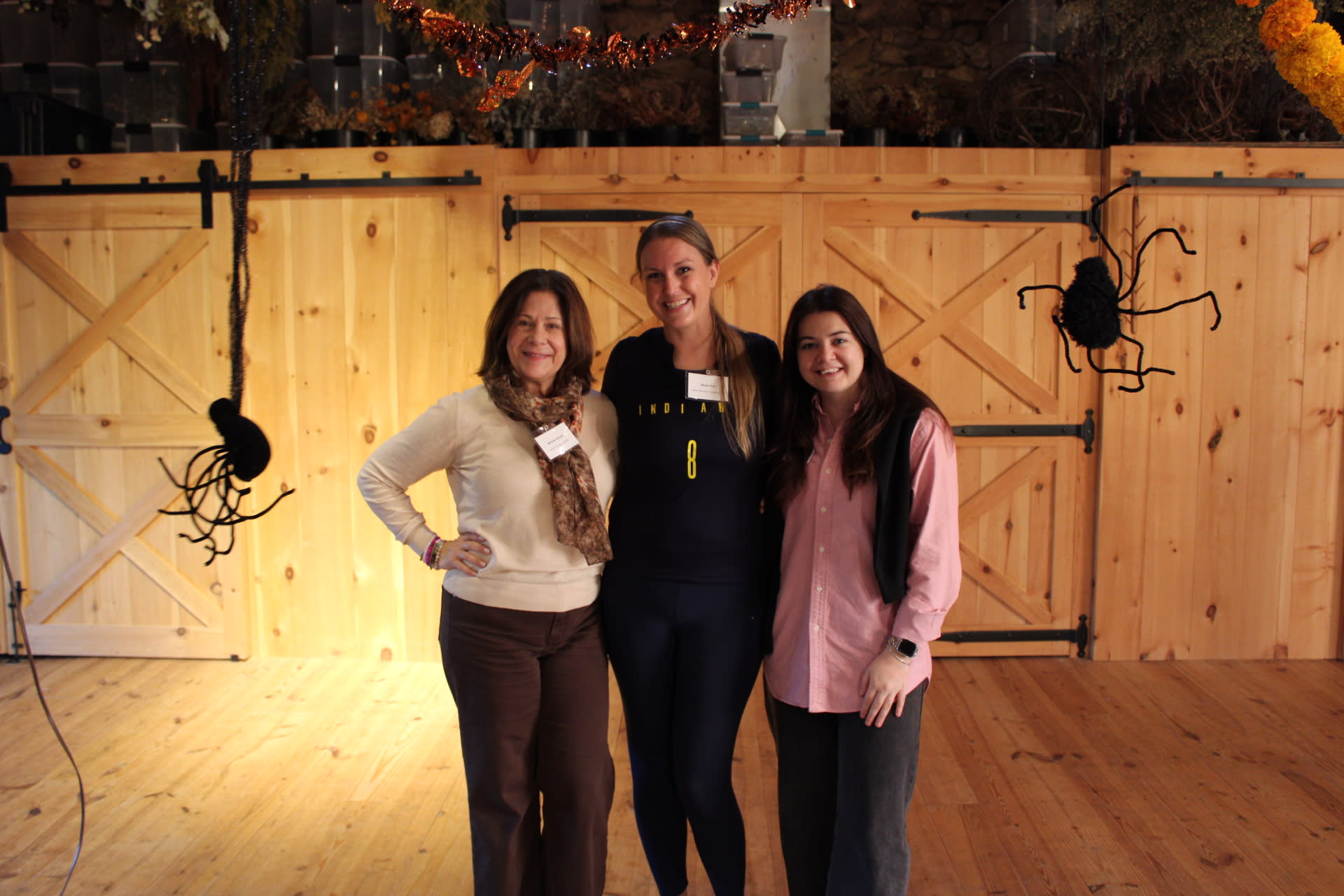
Tuesday's weather could not have been more perfect for our Business After Hours: Halloween Edition at The Camphill School's Foxfield Flowers Barn! |
|
|
|
|
|
|
Restaurant & Hospitality Shared Interest Group Session |
|
|
|
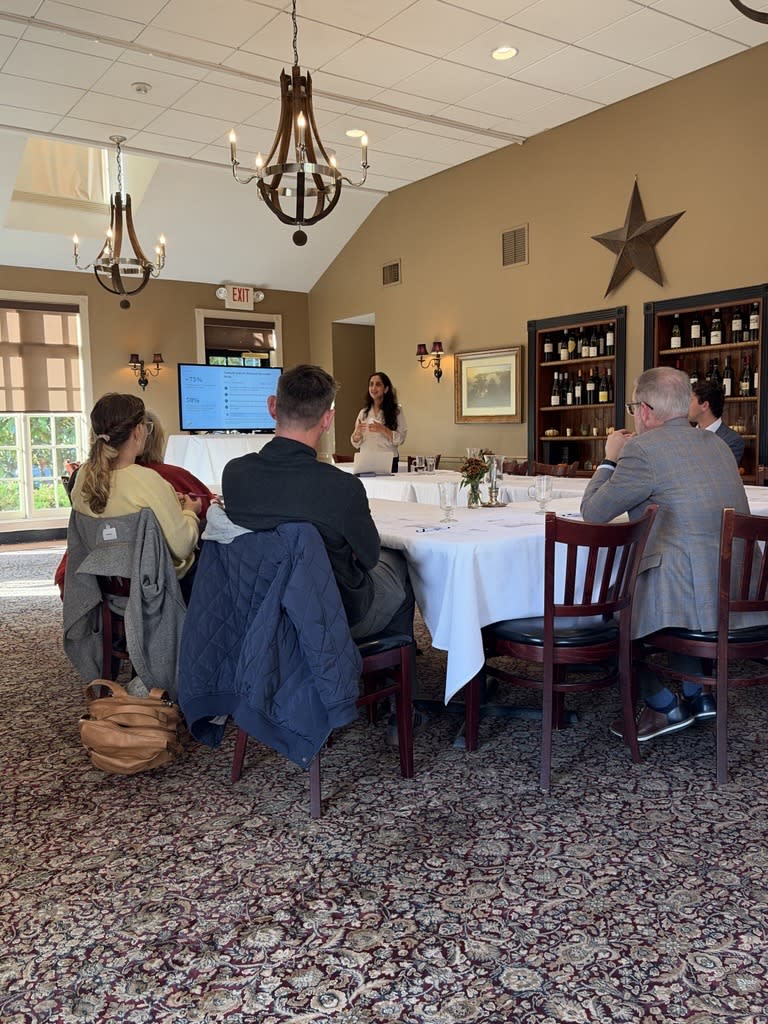
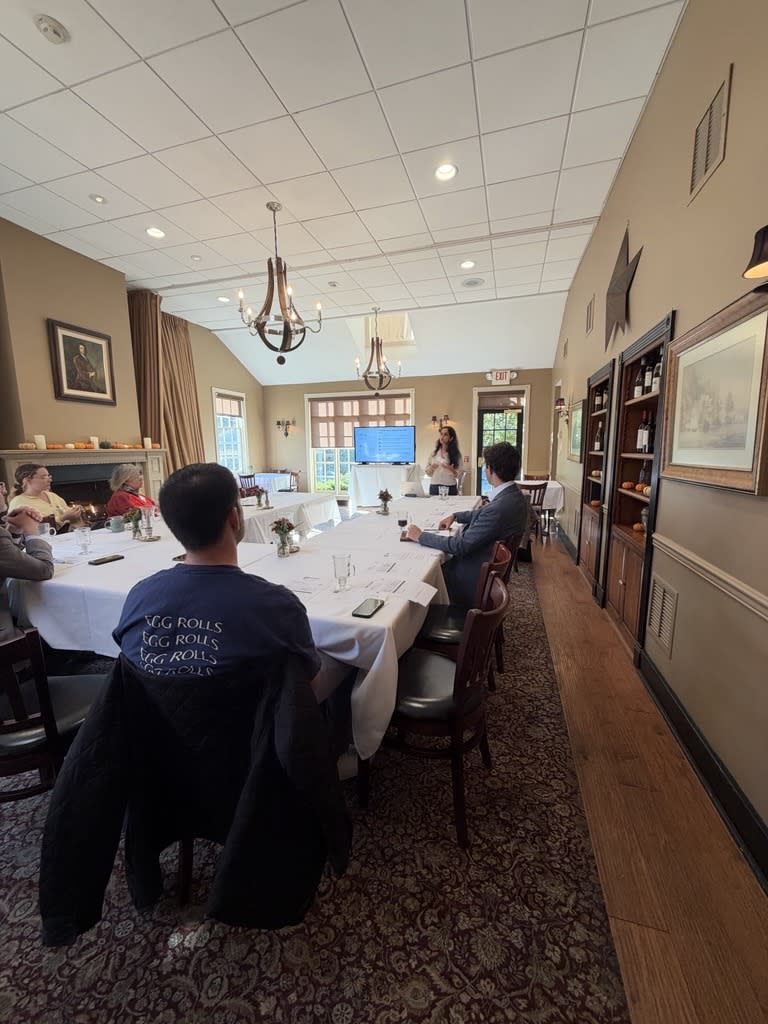
On Wednesday morning, CCCBI's Shared Interest Group (SIG) for the Restaurant and Hospitality industry visited The General Warren.
Each attendee had the opportunity to introduce themselves and provide updates on their businesses since their last gathering. Some of the relevant topics and challenges they're currently facing include value deals to remain competitive in the market, kitchen automation, inflationa dn food costs, ingredient quality and more.
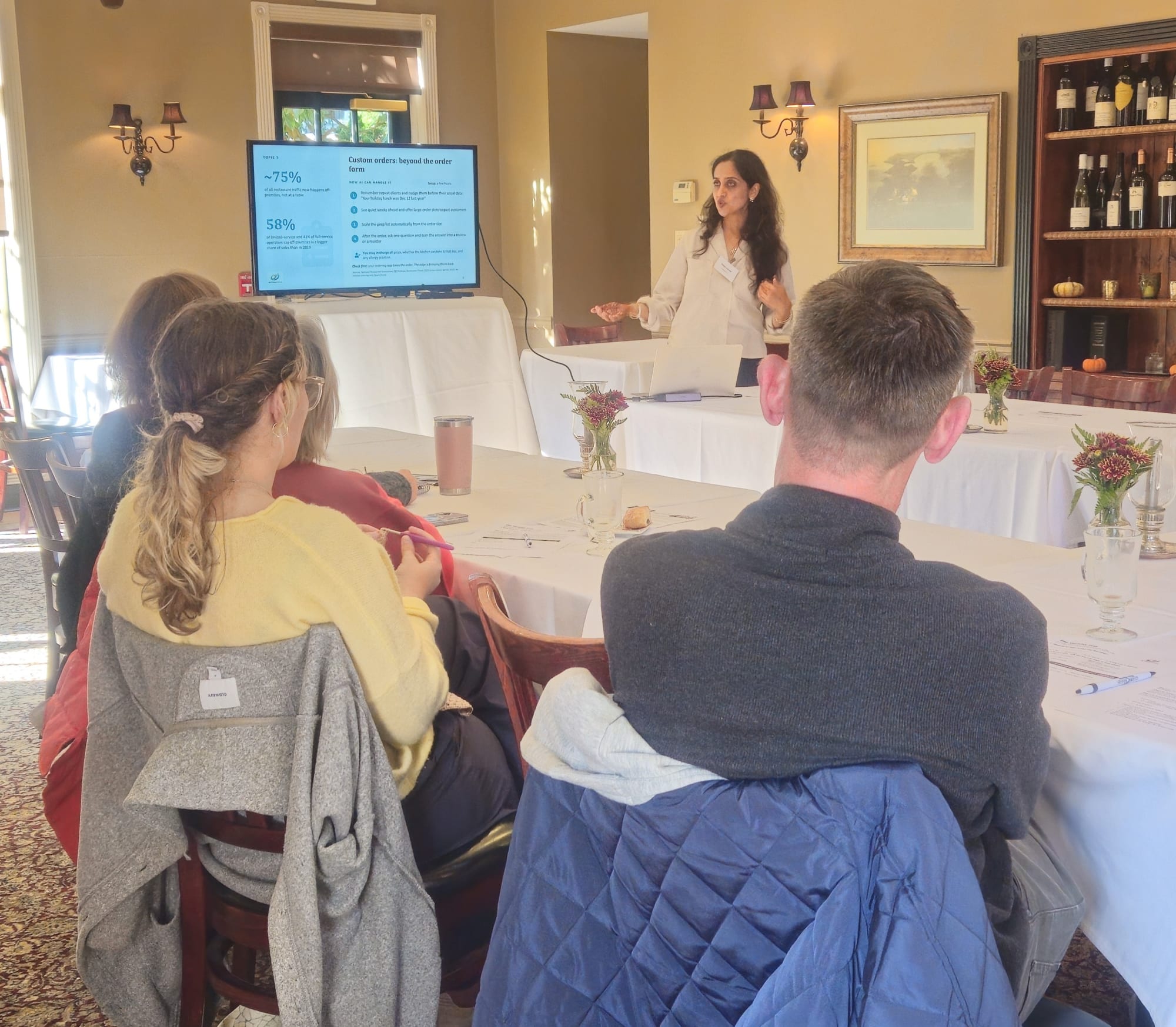
This quarter, the Restaurant & Hospitality SIG welcomed a guest speaker, Sutopa Dwivedi of Actnow360.ai, who shared The Tuesday Test, a system designed to help integrate AI to work for their businesses.
Thank you to our host, Tim Gemmell of the General Warren, our guest speaker and everyone who joined us for a fantastic conversation. |
|
|
|
|
|
Youth Leadership Program Hosts Second Session of 2026 |
|
|
|
|
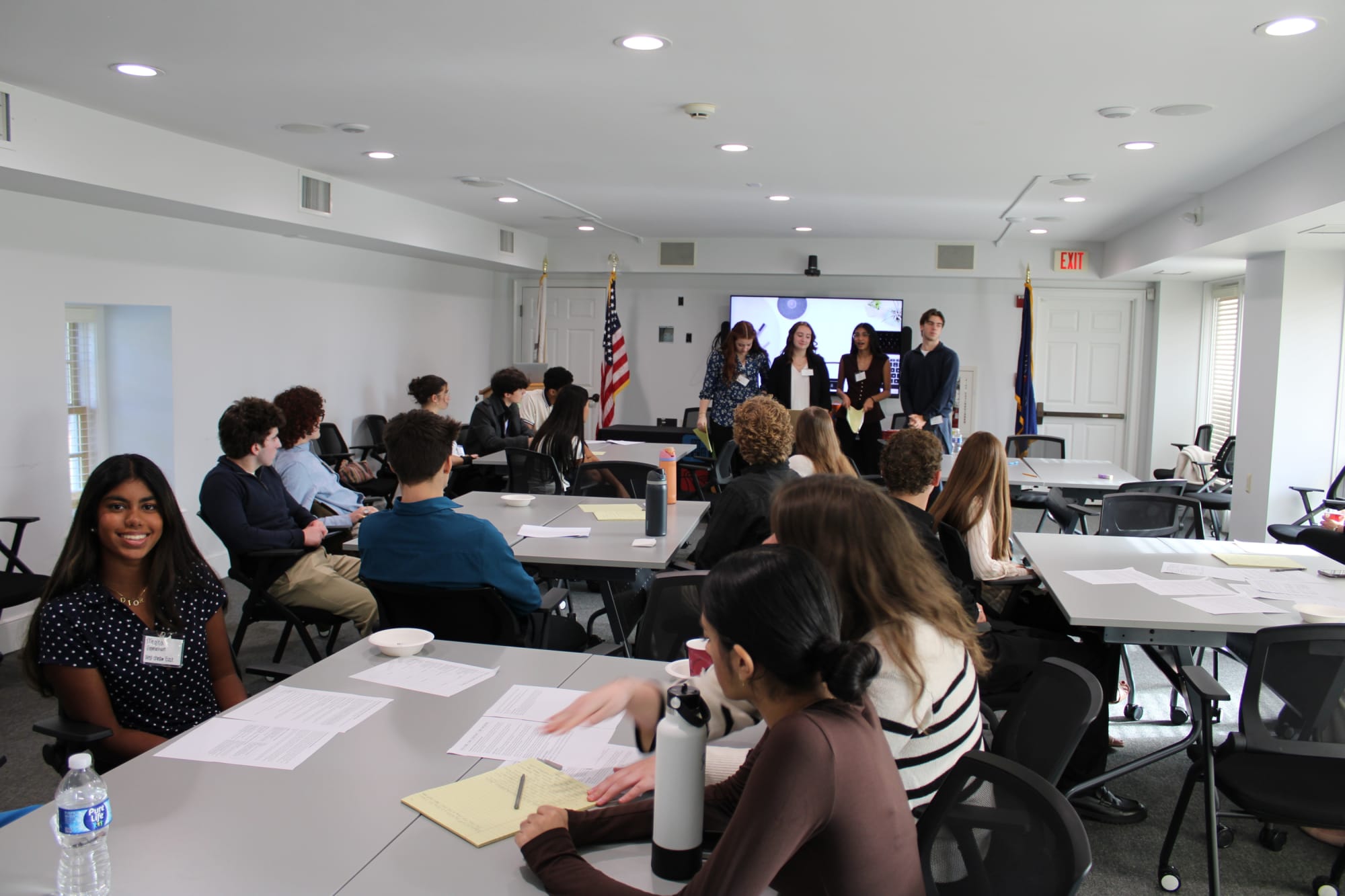
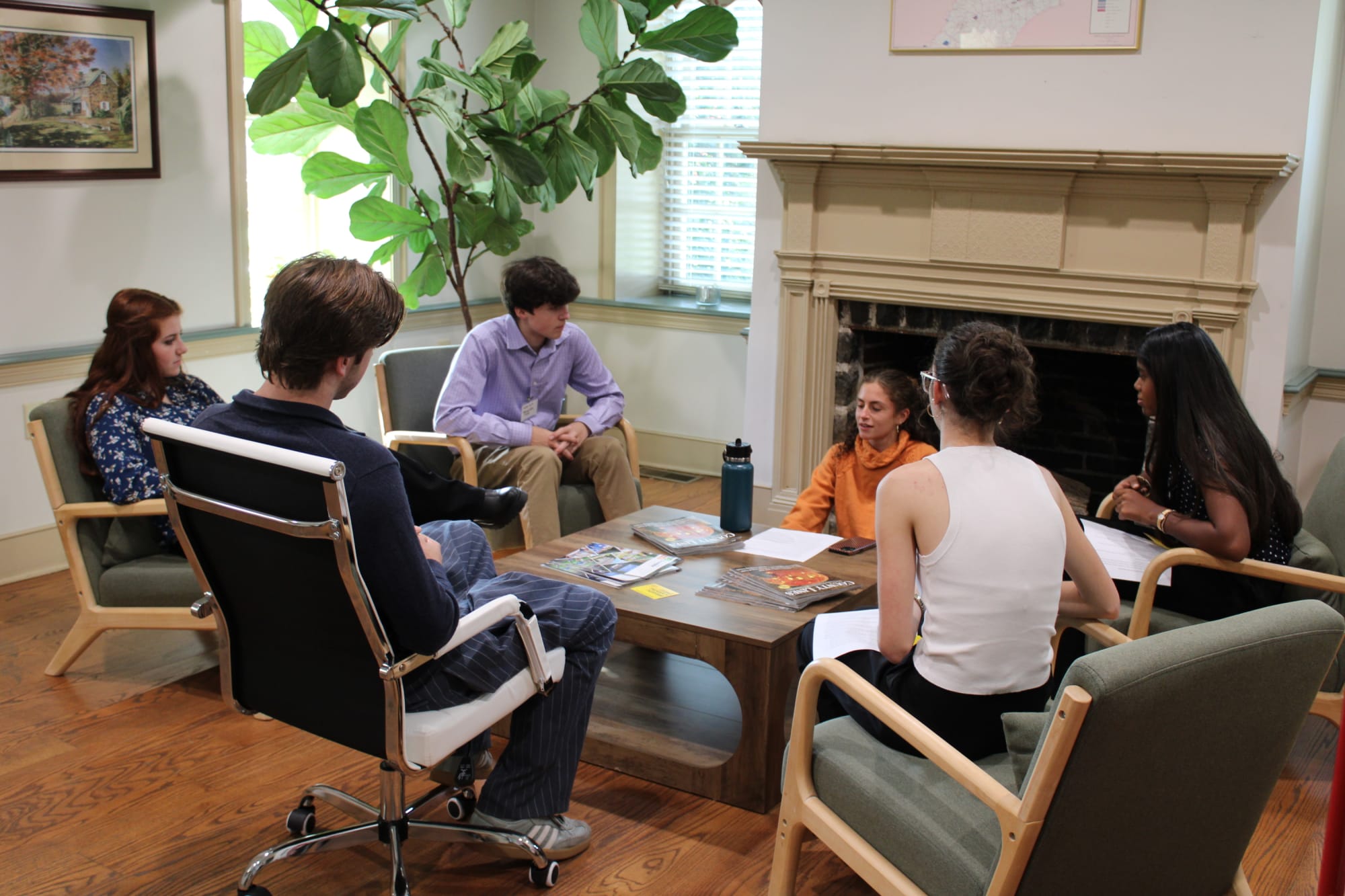
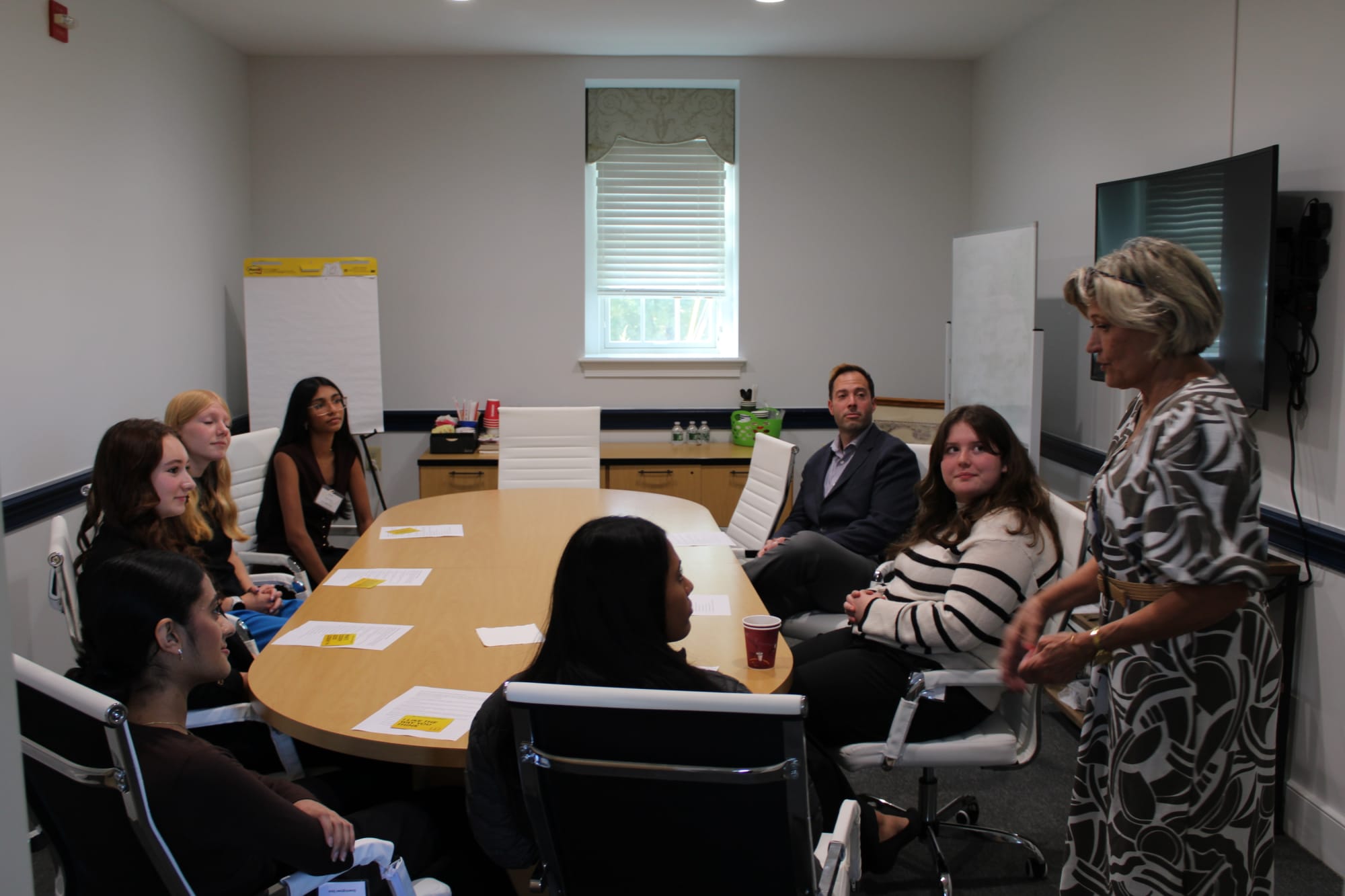
The Chester County Chamber Foundation's Youth Leadership Program hosted its second session of the year at CCCBI Headquarters. Over twenty students from high schools across the county came together for a day full of team building exercies, activities and networking.
Our President & CEO, Laura Manion, joined as a guest speaker to educate the students on the Chamber's work with advocacy connections and community. One activity consisted of groups determining a common cause that they wanted to advocate for, and presenting their arguments to the group.
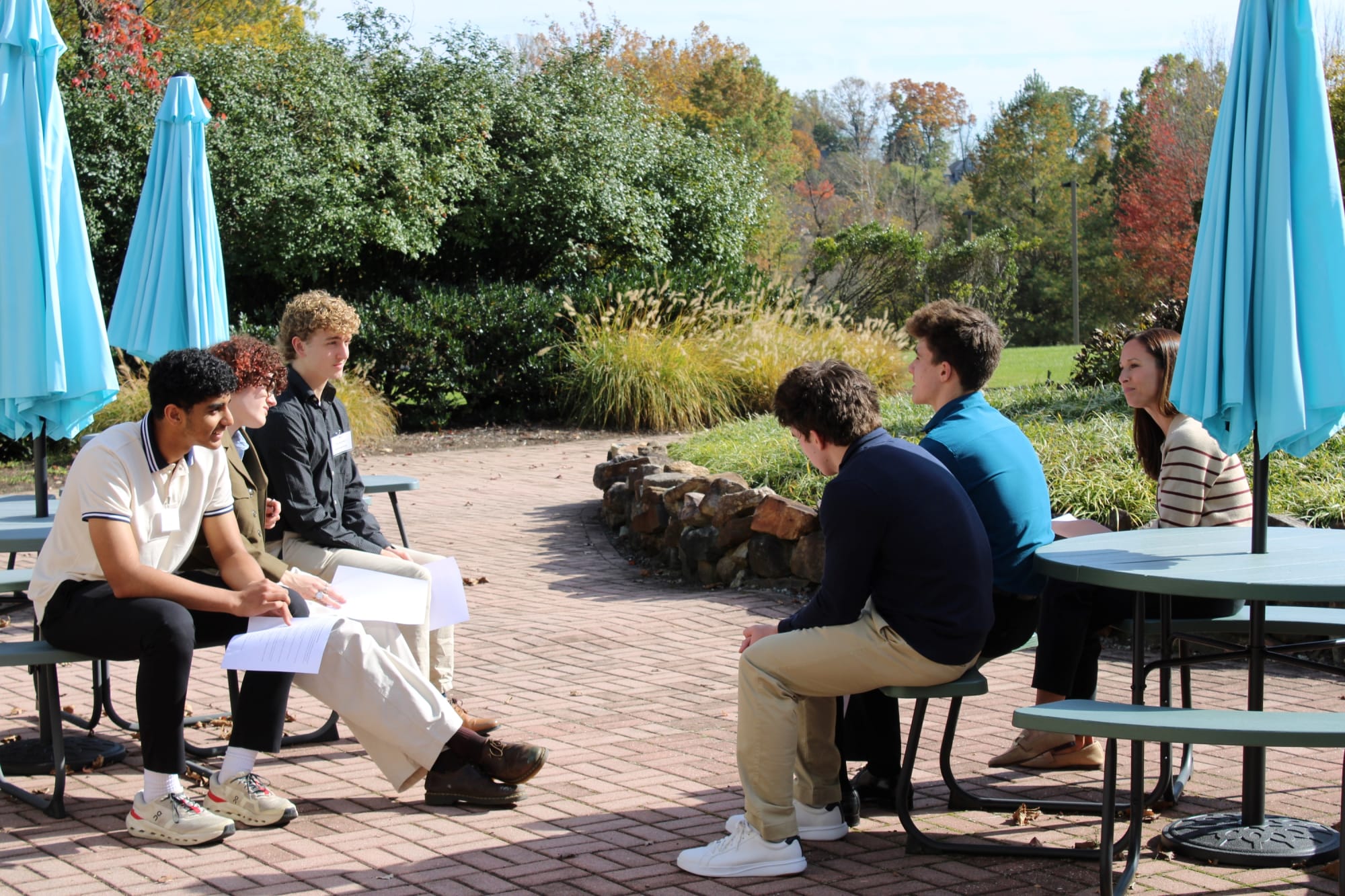
To end the day, our future leaders participated in a speed networking exercise with our Chamber staff. This was a unique opportunity to learn about education history, career paths and some important practice introducing themselves in a professional setting.
"Yesterday at our Youth Leadership Program day, the students thought about what advocacy looks like for them and critically analyzed a case with their groups," said Chester County Chamber Foundation Intern, Mia Tobin. "Some had similar opinions while others had opposing views, but this group of students was respectful and listened to one another. I am excited to see how the students grow through the program and what each day has in store for us!"
Despite a last minute change of itinerary, we are so glad that the YLP students learned some productive lessons with our team and with eachother! |
|
|
|
|
|
|
Leadership Chester County Celebrates 25 Years of Developing Community Leaders |
|
|
|
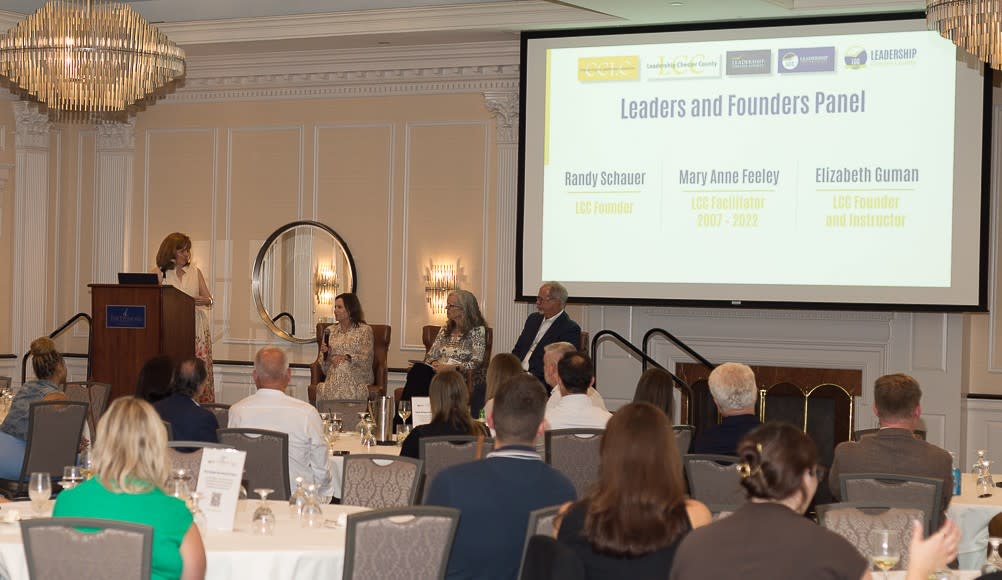
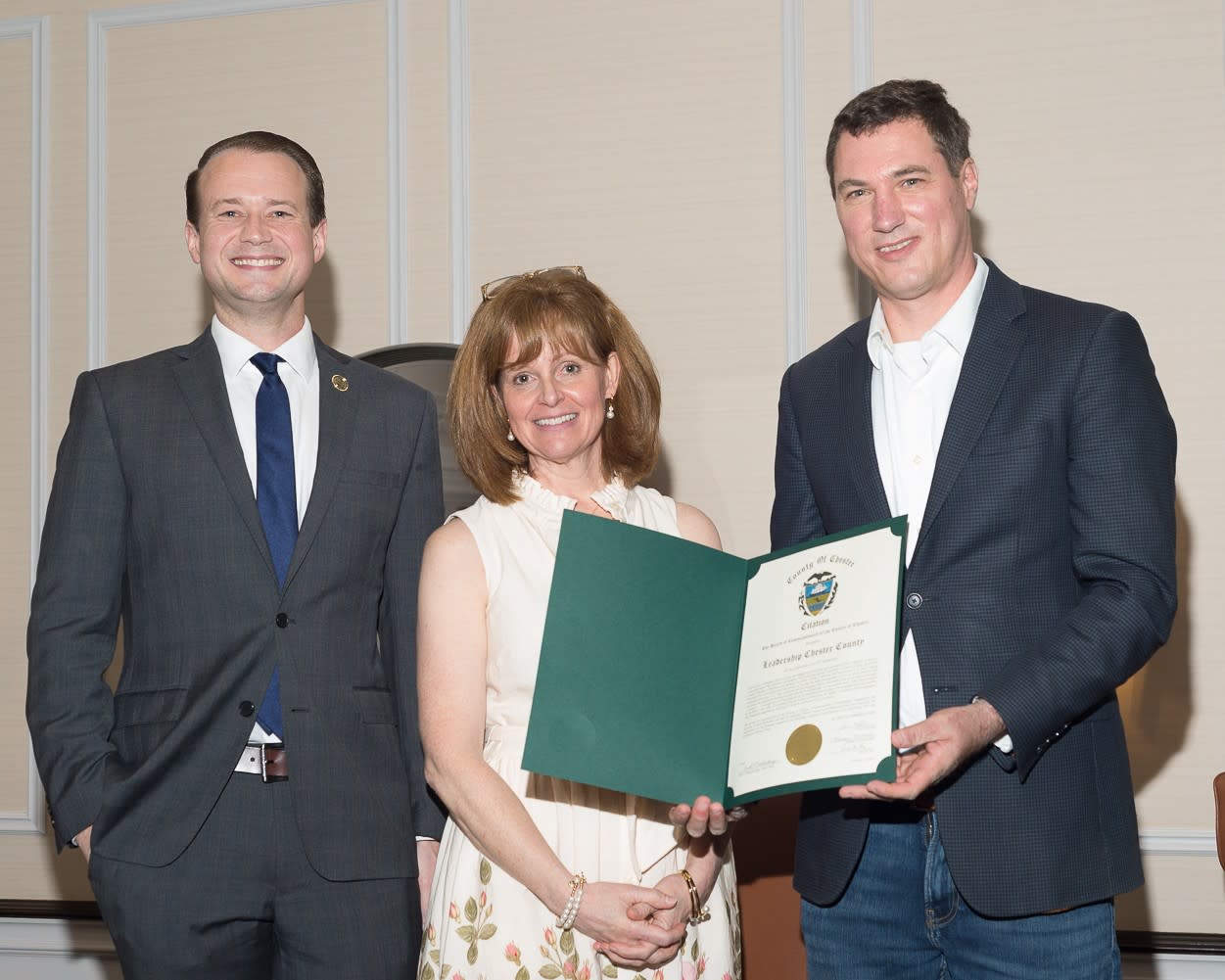
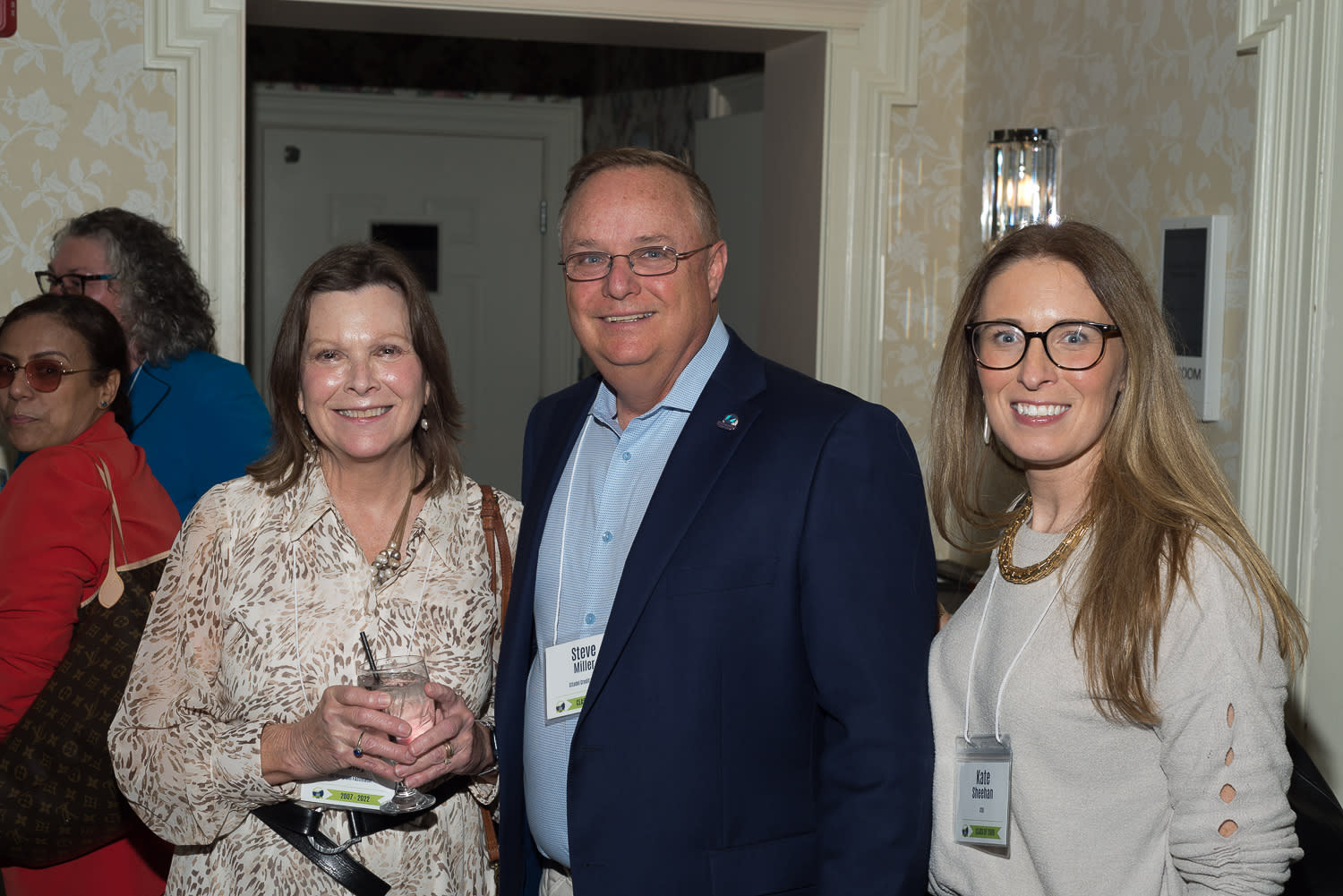
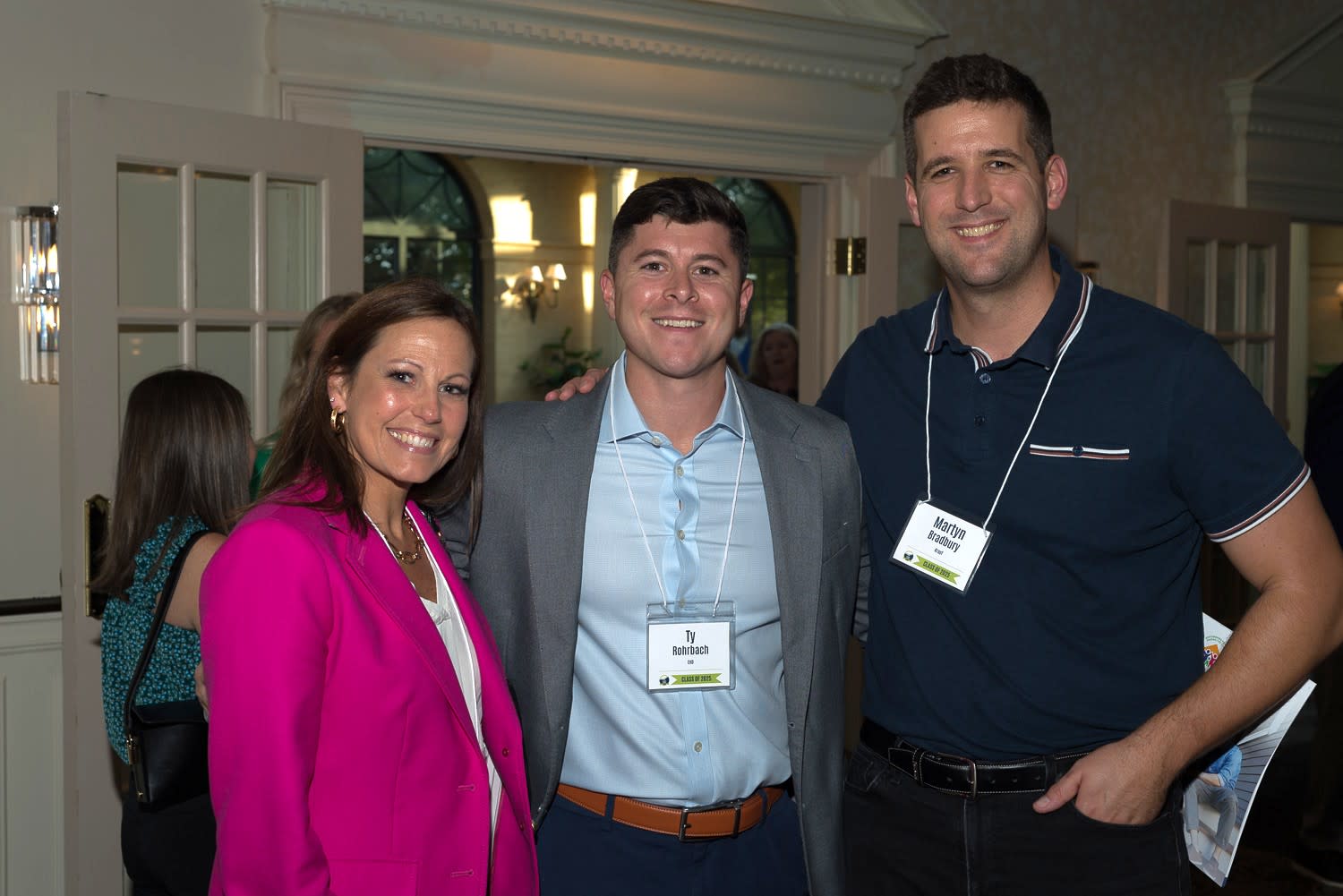
Leadership Chester County (LCC), a program of Chester County United Way, celebrated its 25th anniversary on October 13 with a wonderful gathering of alumni, community leaders, sponsors, and longtime supporters at The Desmond Hotel in Malvern. The event brought together graduates spanning more than two decades to celebrate the program's history and recognize its lasting impact on Chester County.
Founded in 2001 as Chester County Leadership Connection, LCC was established through a partnership between Chester County United Way, the Chester County Chamber of Business & Industry (CCCBI), and West Chester University. Over the past 25 years, the program has prepared professionals to become informed, engaged community leaders, with a particular focus on nonprofit board service. CCCBI has been an important partner in that mission from the very beginning, and LCC was grateful for the Chamber's continued support as a Community Level Sponsor of the anniversary celebration. The event was not only an opportunity to celebrate LCC's history, but also to look ahead to the next 25 years of developing leaders and strengthening the Chester County community. |
|
|
|
Legislative Update |
|
|
|
Waht Does it Cost to Live in Chester County? |
|
|
|
“People who work in Chester County should have a realistic opportunity to live here and build a future here. When basic expenses consume a family’s income, saving for a down payment or making a necessary home repair becomes increasingly difficult. Expanding affordable homeownership opportunities and helping existing homeowners remain in their homes must be priorities for policymakers, employers, and community partners.” – Jeff Spencer, Executive Director, Houring Partnership of Chester County (HPCC)
Chester County prices are holding steady based on third quarter and September housing data. The median home price in September was $554,900, up a modest 1.1% from September of last year. For the third quarter as a whole, prices were flat, with no change from a year ago.
Completed sales are up, but new activity is slowing. Closed sales rose 9.1% compared to last September, while the number of new contracts signed by buyers fell 6%. Homes are also taking a little longer to sell. The average home is selling in 24 days, a few days slower than the five-year average for this time of year.
The balance of power is starting to shift. Sellers are still getting close to their asking price, about 99.5% of the original list price on average. But with more homes on the market relative to the number of new contracts being signed, momentum is moving slightly in the buyer’s favor.
Recent attempts to alleviate the housing shortage in Pennsylvania have stalled. The General Assembly does not seem likely to pass any housing legislation as the 2025-2026 session comes to close this week. SB1346 (Rothman) and HB2186 (Inglis), which would make it easier to build accessory dwelling units (ADUs) have both stalled.
A recent article featured in VISTA Today provided additional insights into the actual cost of living in Chester County.
Living in Chester County comes with a substantial price tag, and for families juggling mortgages, groceries, childcare, and transportation, the expenses add up.
A family of four with two working parents needs approximately $156,206 in annual pretax income to cover basic living expenses, according to the Massachusetts Institute of Technology’s 2026 Living Wage Calculator.
That figure exceeds Chester County’s median household income of $127,208, according to the U.S. Census Bureau’s 2020–2024 estimates. However, the comparison is not exact as the Census median covers all household types, from single adults to large families, and is reported in 2024 dollars. It also places Chester County above its neighbors. MIT estimates the same family of four would need $149,307 in Montgomery County, $130,774 in Delaware County, and $130,335 in Lancaster County.
The statewide figure is $123,964, meaning a Chester County family needs about 26 percent more than the Pennsylvania benchmark.
So, what does it actually cost to live in Chester County in 2026?
Housing Costs Housing is among the largest expenses facing Chester County residents.
According to Redfin, the county’s median home sale price was $548,772 for the three months ending in September 2026, down 1.1 percent year over year. Over the same period, Redfin reported median sale prices of $564,731 in West Chester, $494,764 in Kennett Square, $416,552 in Downingtown, and $199,905 in Coatesville.
All four were down from a year earlier.
For buyers purchasing a home at the county median, a 20 percent down payment would total approximately $109,754. On a 30-year fixed mortgage at 6.5 percent, monthly principal and interest payments on the remaining $439,018 would come to about $2,775, excluding property taxes and insurance.
Renting also requires a substantial budget. Realtor.com reported a median advertised rent of $2,300 monthly in October, an increase of about 2.2 percent from the previous year.
Property Taxes and Insurance Chester County homeowners face additional expenses beyond mortgage payments.
The county’s 2026 property tax rate is 5.164 mills, meaning a property assessed at $100,000 would owe $516.40 in county tax. Since assessed values in Chester County differ from market prices, the rate can’t be applied directly to a home’s sale price.
Homeowners also pay school district and municipal property taxes. Those obligations vary depending on a property’s assessed value, municipality, and school district, creating differences across communities.
Insurance adds another expense. Pennsylvania homeowners pay an average of $1,720 a year, or about $143 a month, for a policy with $400,000 in dwelling coverage, according to NerdWallet’s 2026 analysis.
Groceries, Health Care, and Utilities Everyday expenses also take up a large share of residents’ earnings.
MIT estimates that a Chester County household with two adults and two children needs approximately $14,909 annually for food, or about $1,242 monthly. A two-adult household without children needs an estimated $778 monthly.
Plus, healthcare is another major cost. MIT estimates the same family of four needs $11,010 a year for medical expenses, including insurance premiums and out-of-pocket costs.
Utility costs vary widely depending on home size, heating systems, and seasonal energy usage.
Transportation Getting around Chester County can also be expensive, particularly for households relying on multiple vehicles.
MIT estimates that two adults raising two children need $15,506 annually for transportation, or approximately $1,292 monthly.
Gasoline prices are another consideration. As of Oct. 21, AAA reported Pennsylvania’s average regular gasoline price at approximately $4.48 per gallon, compared with $3.21 a year earlier.
“When we build communities where driving is the only practical option, we make car ownership a household requirement and families carry the cost. Insurance, maintenance, fuel and registration can stretch an already tight budget, leaving people one repair away from missing work. Sustained investment in public transportation, with longer service hours and more frequent connections, gives families dependable choices and businesses better access to employees. Then add a layer for bicycle and pedestrian connections like sidewalk and trails, real multimodal choices. Pairing those investments with housing near jobs, fewer parking mandates, and stronger town centers can make everyday life more affordable. Land planning and transportation must work together because access to opportunity should never depend on the ability to afford a car.” – Tim Phelps, Executive Director, Transportation Management Association of Chester County (TMACC)
How Much Income Do Residents Need? According to MIT, annual pretax income requirements vary considerably by household. Household Type, Annual Income Needed:
Childcare is also costly, with MIT estimating that two working parents raising two children need $41,095 annually for it. That compares with $28,598 statewide.
Many Common Jobs Fall Short Those benchmarks look different when set against what many residents earn. MIT also publishes typical salaries by occupation, drawn from U.S. Bureau of Labor Statistics data.
Workers in education, training, and library occupations earn a typical salary of $67,240. A household with two such earners would bring in about $134,480, around $21,700 short of what MIT estimates a Chester County family of four needs.
Additionally, the gap is wider in lower-paying fields. Healthcare support workers earn a typical $35,900, and food preparation and serving workers earn $33,140. Both fall well below the $58,318 that a single adult needs to cover basic costs in the county.
Where Residents Can Find Help There are several programs that can ease the strain for eligible households.
Pennsylvania’s Property Tax/Rent Rebate Program returns up to $1,000 to residents age 65 and older, widows and widowers age 50 and older, and people with disabilities age 18 and older. Household income must be $48,110 or less, and only half of Social Security income counts toward that limit.
Applications for rent or property taxes paid in 2025 are due Dec. 31, 2026. Homeowners can also apply for the county’s Homestead/Farmstead Exclusion, which can reduce school property taxes on a primary residence.
Summed Up While Chester County offers established communities, employment opportunities, and desirable amenities, its affordability depends on household size, housing circumstances, and location.
For residents and prospective homebuyers, understanding these expenses provides a better picture of what it really takes to live in Chester County in 2026. |
|
|
|
Member Spotlight |
|
|
|
Actnow360.ai |
|
|
|
Practical AI, Tested Before It Touches Your Business
At this week’s Restaurant and Food Service Shared Interest Group at The General Warren, I heard what I hear in almost every room. One owner wanted help managing custom orders, but was clear that AI would never write to her customers. Another is getting ready to start shipping and wanted to know all the ways AI could help him grow. Someone else already uses AI for a lot of back-office work but keeps every customer follow-up personal. And then came the question everyone was thinking: with so much in the news about AI, how do we trust it? |
|

|

|
My answer is the one I learned in the lab. I’m Sutopa Dwivedi, and before I started ActNow360.ai here in Chester County, I spent more than 15 years as a Ph.D. scientist in proteomics and immunology. You don’t trust a result until you’ve tested it. So every tool I build runs on my own systems first, then gets checked against a client’s past data with guardrails in place. Only after that does it touch anything live.
What we help with: |
|
|

|
• Following up with new leads in minutes, not days |
|
AI can fix the process. The judgment, and the relationships, stay yours.
I also host The Real AI podcast in my YouTube @Actnow360.ai channel where founders talk about what AI is really doing inside their businesses, the good and the bad. And I’m building a life sciences product of my own, which is where my career started.
If there’s something you’d love off your plate, reach out. I’ll tell you honestly whether AI is the right fix, and sometimes it isn’t. |
|
|
|
Upcoming Events |
|
|




|
Member Events |
|
|

|
|
|
We’d love to hear from and highlight your business! We are seeking member spotlight stories to include in our weekly newsletter! Email your news to abby@chescochamber.org |
|

|


