|

|
Chamber News |
|
|
|
Welcome New Members |
|
|
|
|
|
Shared Interest Group - Banking & Finance |
|
|
|

|
|
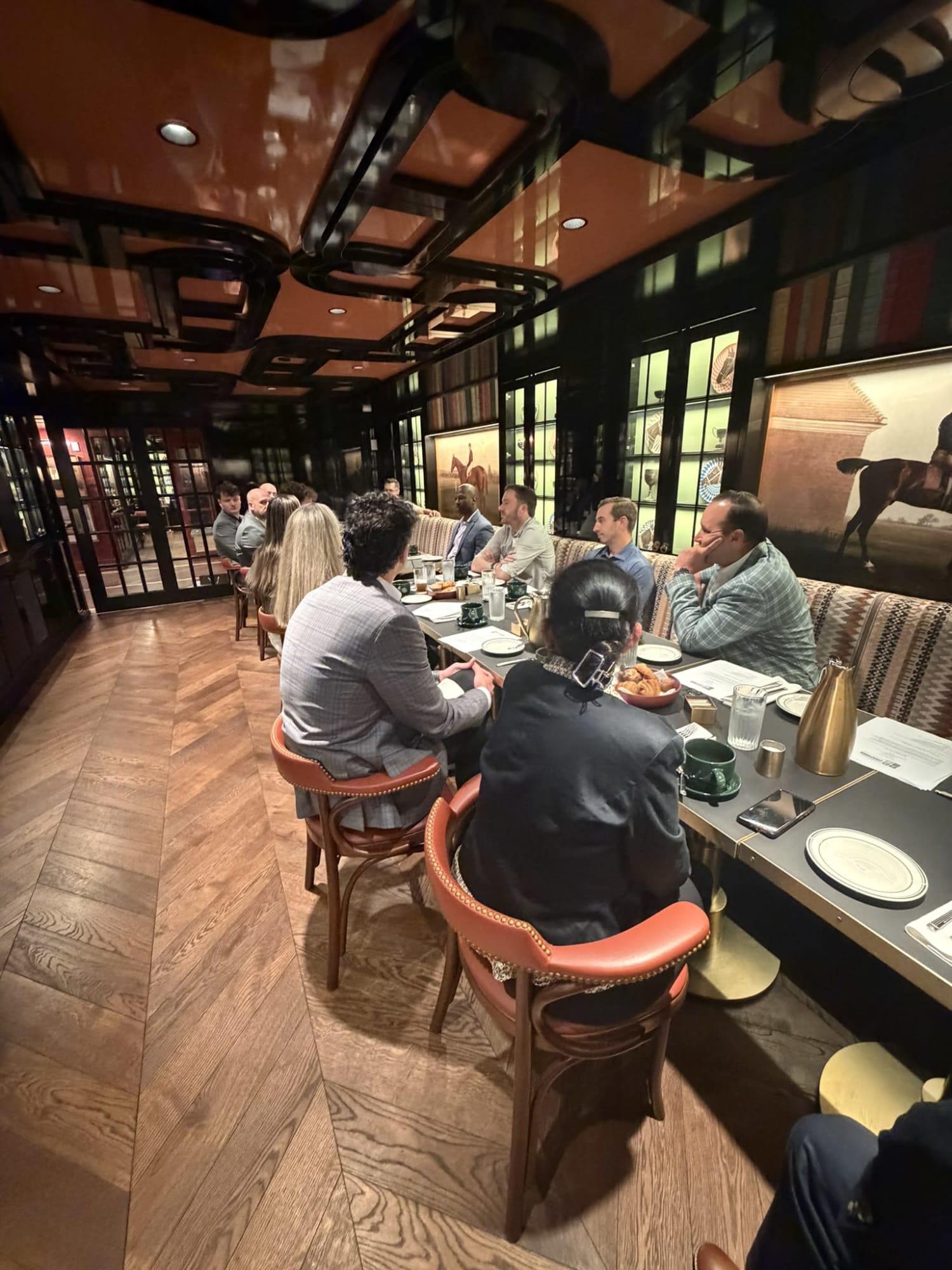
The Banking and Financial SIG group met yesterday at Triple Crown in Radnor to discuss several significant trends currently affecting the banking industry.
In an open discussion moderated by Cynthia Matje - Senior Vice President, Corporate Banking at Citizens, Members expressed concern about the impact of tariffs, geopolitical uncertainty, interest rate changes, and conditions in the middle-market economy. There was also considerable conversation around the coming wave of boomer retirements and the resulting succession planning needs, as well as how to best support and meet the next generation of Generation Z and Alpha bankers and customers where they are.
Technology was another major focus. Participants noted the rapid adoption of artificial intelligence, particularly in back-office operations, while recognizing that fraud and cybersecurity threats continue to increase. The group also discussed how customer behavior has shifted away from traditional branch banking, with significantly less in-person traffic than just a few years ago. While digital banking continues to evolve, members emphasized the importance of maintaining strong client relationships.
Workforce development emerged as another key theme. Ideas included creating mentorship opportunities, engaging higher education partners, and investing in financial literacy programs for high school and middle school students to build the future talent pipeline. Participants also discussed attracting younger professionals to banking and adapting to changing workplace expectations, including hybrid work environments.
The group identified several opportunities for the Chamber to support the industry, including:
"It was an outstanding morning filled with meaningful discussion, collaboration, and the opportunity to learn from one another," said Chris M. Klein, Private Client Relationship Manager at Citizens Bank.
"Since the pandemic, our industry has evolved rapidly, and forums like this provide tremendous value by allowing us to exchange ideas, discuss emerging trends, and better understand the changing needs of today’s clients—particularly the next generation of banking customers, including Generation Z.
One of the most valuable takeaways from the meeting was hearing the stories behind each institution—how different banks were founded, the unique paths they’ve taken, and how each organization has adapted to meet the changing financial landscape.
It’s refreshing to have a group where competitors can set competition aside for a moment and focus on strengthening our industry as a whole. Sharing experiences, best practices, and different perspectives ultimately benefits not only our institutions but also the businesses and communities we all serve."
Thank you to our host, Triple Crown, for a fantastic location and everyone who joined us! |
|
|
|
Meet Your Ambassadors |
|
|
|

|
Your Chamber Membership comes with a built-in support network, and our Ambassadors are at the heart of it!
These dedicated volunteers help welcome newcomers, foster connections in-person and virtually, support Chamber and Member events, and serve as trusted resources throughout your membership journey.
Thank you to all 9 Ambassadors! |
|
As our Ambassador Appreciation month comes to a close, please join us in recognizing these dedicated individuals! |
|
Meet Sean McGinn Partner, RBMuha & CCCBI Ambassador Committee Chair
"I am a Chester County native who is passionate about helping the people and businesses who make up this great community! When I'm not at work, you can find me hanging at home with my wife and son, playing golf, or watching a game with some friends in West Chester."
What's one business tool you can't live without? My To-Do List - And I still like to write it out on a piece of paper every single day.
What’s your go-to morning beverage and where is it from? I pretty much run on cold brew coffee, even in the Winter.
What’s your favorite Chamber Benefit? All of the networking opportunities are great, but to me, the coolest part of being a chamber member is seeing those connections develop into true partnerships and friendships over time. |
|
|
|
Please join us in recognizing and congratulating the incredible members of our Ambassador Committee! |
|

|

|

|

|

|

|

|

|
|
|
Guest Column |
|
|
|
Higher Grocery Bills, Fewer Vacations: New WSFS Bank Survey Reveals How People Are Adjusting Their Spending Featured in DELCO.Today, by Mark Hostutler |
|
|
|

|
A new consumer survey from WSFS Bank suggests the biggest shift in household finances isn’t that everyday essentials cost more — it’s how consumers are responding.
Across the Greater Philadelphia and Delaware regions, households are becoming increasingly intentional with their money. Rather than continuing to spend as they have in recent years, many are making deliberate tradeoffs, cutting discretionary purchases, paying closer attention to debt, and looking for ways to build greater financial flexibility.
The findings reflect a broader change in consumer behavior.
According to the survey, 77 percent of respondents whose spending increased say rising costs and inflation — not lifestyle choices — are driving that change. Income increases (28 percent) and emergency expenses (26 percent) followed, while just 17 percent cited vacations or major purchases.
“What we’re seeing in this data tracks closely with what our clients tell us every day,” said Shari Kruzinski, Executive Vice President and Chief Consumer Banking Officer at WSFS Bank.
“Consumers are becoming much more intentional about where every dollar goes. Everyday expenses are consuming a larger share of household budgets, so people are making thoughtful decisions in areas of flexibility.”
A Different Spending Story Than Two Years AgoPerhaps the clearest sign of changing consumer behavior is how dramatically spending sentiment has shifted since 2024.
Two years ago, 38 percent of consumers said they were spending more overall, while 37 percent said they were spending less. Today, those numbers have reversed: 39 percent now say they are spending less overall, compared with 32 percent who report spending more.
That doesn’t necessarily mean households have fewer expenses. Instead, it reflects a growing effort to reduce discretionary spending wherever possible while absorbing higher costs in categories that are far less flexible.
Nearly two-thirds report spending more on groceries (67 percent), while more than half (55 percent) say utility bills have increased. Transportation (44 percent), housing (44 percent), and healthcare (35 percent) continue to account for larger portions of household budgets.
At the same time, consumers are intentionally reducing spending on going out to restaurants (38 percent), vacations (35 percent), online shopping (33 percent), and entertainment (32 percent).
“The reversal in overall spending sentiment from two years ago is meaningful,” said Andrew Davis, Head of Investment Strategy at Bryn Mawr Trust Advisors. “Rather than seeing an economy that’s booming or contracting, we’re seeing consumers adapt to a period of persistent affordability challenges. Many households are making conscious decisions about where they can cut back while continuing to manage the costs they can’t easily avoid.” Financial Caution Is Becoming a Financial StrengthThe survey suggests that today’s consumers are responding with greater financial discipline.
Among respondents navigating today’s interest-rate environment, 30 percent say they’re avoiding new loans altogether. Another 28 percent report reducing nonessential spending, while one in four (25 percent) are using credit cards less frequently or paying down existing balances. Twenty-two percent are actively working to boost savings, and 17 percent have postponed major purchases.
Consumers are also changing how they pay everyday expenses as 41 percent report using debit cards more frequently, compared to 32 percent who said the same for credit cards.
“There’s real intentionality in how people are approaching their finances right now,” Kruzinski said. “We’re seeing consumers make proactive decisions to reduce debt, rely less on credit, and strengthen their financial cushion. These go beyond short-term reactions to habits that can support stronger financial health over time.” Opportunity Beyond BudgetingThe survey also points to an opportunity for consumers to look beyond simply reducing spending.
While checking and savings accounts remain nearly universal in usage (92 percent and 87 percent, respectively), awareness of higher-yield savings products and other long-term financial planning tools, like retirement accounts, remain limited.
“Many people are working hard to save money right now, but they may not realize there are additional tools that can help that money work harder,” Kruzinski said.
“Whether it’s understanding different savings options, evaluating debt strategies, or — for homeowners — considering how home equity fits into a broader financial plan, having a conversation with a trusted advisor before financial decisions become urgent can make a meaningful difference.”
As households continue adapting to today’s financial environment, the survey offers an encouraging takeaway: consumers are becoming more thoughtful, disciplined, and intentional with the financial decisions that shape their long-term well-being.
For those looking to better understand their options, speaking with a WSFS Associate online or by visiting a banking office location can help turn today’s financial habits into a strategy for tomorrow. |
|
|
|
Legislative Update |
|
|
|
PJM Special Capacity Auction |
|
|
|
PJM, the regional grid operator for Pennsylvania and 12 other states, held their 2028/2029 Base Residual Auction on July 14, clearing at the approved price cap of $325/MW-day and procuring over 138,000 MW of capacity to serve more than 67 million people. For reference, Limerick Clean Energy Center has a capacity of 2,317 MW (about 1,150 MW for each of the Station’s 2 nuclear reactors).
Held annually, the Base Residual Auction secures commitments from energy generators to provide enough electricity to meet forecasted demand. Generators are required to offer their resources for a one-year term, traditionally three years in advance. This process ensures there is enough generation capacity to meet peaks in demand, maintaining a stable and reliable supply.
However, despite the auction clearing, secured capacity fell about 6,800 MW short of PJM's reserve margin target, a slightly larger shortfall than the prior auction. Driven largely by data center-fueled demand growth, this shortfall limits PJM's generation-capacity reserves and increases risk within the grid.
To address this undersupply, PJM filed a proposal with FERC on July 31 to hold a Reliability Backstop Procurement (RBP) auction starting September 30, 2026. The organization proposed a price cap of $555/MW-day, higher than the $325/MW-day price cap in last month’s auction.
The clearing prices of these auctions have a direct impact on electricity costs for consumers: higher caps mean higher bills. Without an increase in generation capacity, PJM will continue to experience a capacity shortage, leading to higher costs and increased reliance on expensive emergency generation sources. The Chamber continues to support common-sense regulations that modernize our grid, make it easier for new generation to be built, and ensure reliability and affordability in our energy supply.
|
|
|
|
Member Spotlight |
|
|
|
Leadership Chester County |
|
|
|

|
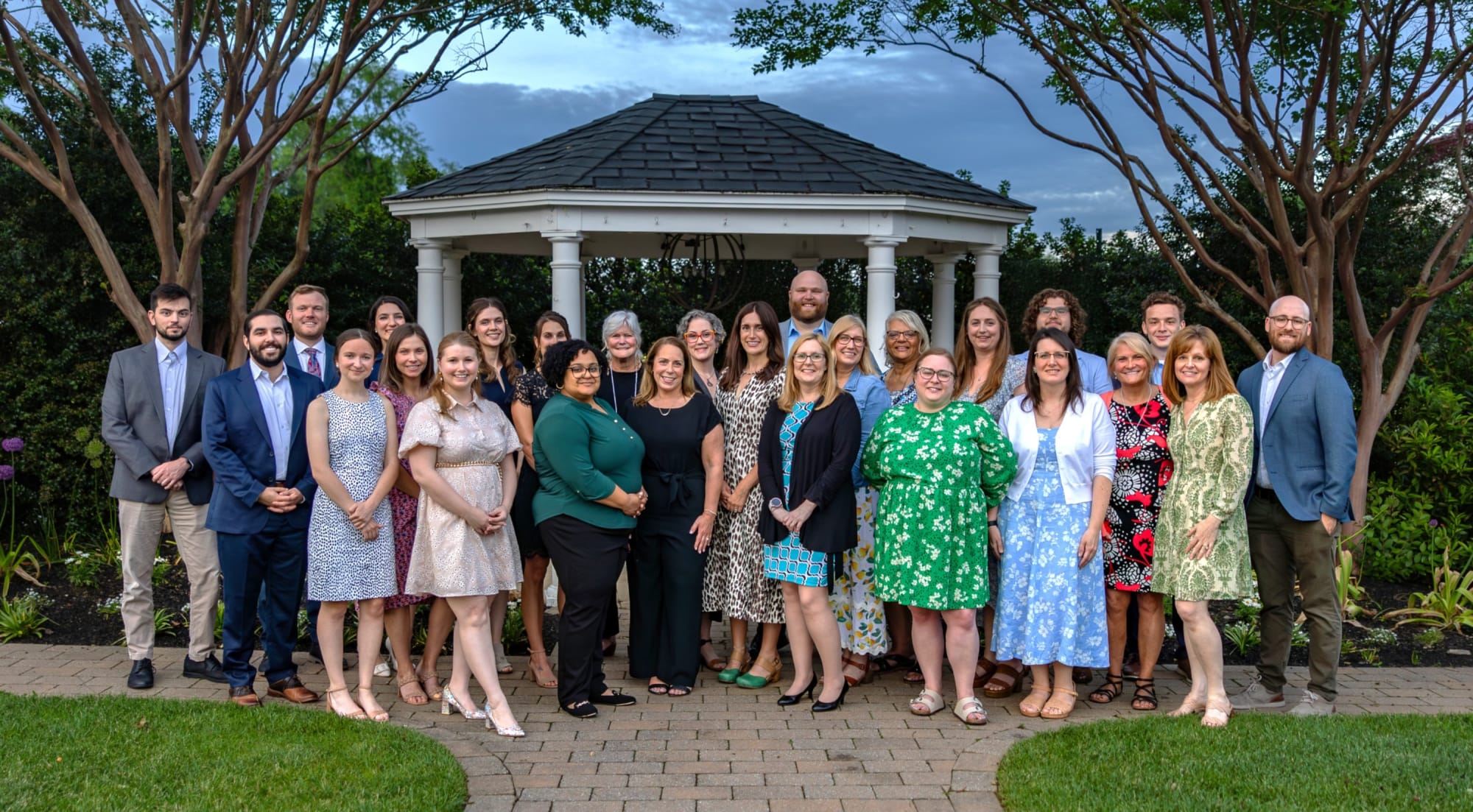
Applications Now Open for the Leadership Chester County Class of 2027
Leadership Chester County (LCC) is a nine-month program that helps participants build the knowledge, skills, and connections needed to serve effectively on nonprofit boards and as community leaders. Founded through a partnership among Chester County United Way, the Chester County Chamber of Business & Industry, and West Chester University, LCC has prepared community leaders for more than 25 years. Graduates have gone on to serve nonprofit organizations and communities throughout the region. |
|
|
Beginning in September, the program offers hands-on instruction in nonprofit governance, financial oversight, fundraising, advocacy, and other responsibilities of board service. Participants also gain a broader perspective on the challenges, resources, and organizations that shape Chester County.
LCC brings together a diverse cohort of professionals, emerging leaders, and community members from the business, nonprofit, education, and government sectors. No previous board experience is required. The program is designed for anyone interested in becoming more informed, engaged, and prepared to contribute. |
|

|

|

|
The program benefits not only participants but also the organizations they represent. Employers can develop emerging leaders while strengthening their community involvement. Graduates return with stronger leadership skills, a better understanding of the nonprofit sector, and valuable local connections. Individuals gain the knowledge and confidence to begin serving on a board or become more effective in an existing role. Nonprofits can enroll staff members to deepen their knowledge of board governance and the local landscape, while also connecting with qualified board candidates and a wider network of engaged community leaders. |
|
Learn more and apply by August 22nd by clicking the button below or contact Program Director Kelly Cockshaw! |
|

|
|
|
Upcoming Events |
|
|



|
Member Events |
|
|




|
We’d love to hear from and highlight your business! We are seeking member spotlight stories to include in our weekly newsletter! Email your news to abby@chescochamber.org |
|

|


